
Burnham Leadership Reshapes Britain’s Economic Outlook
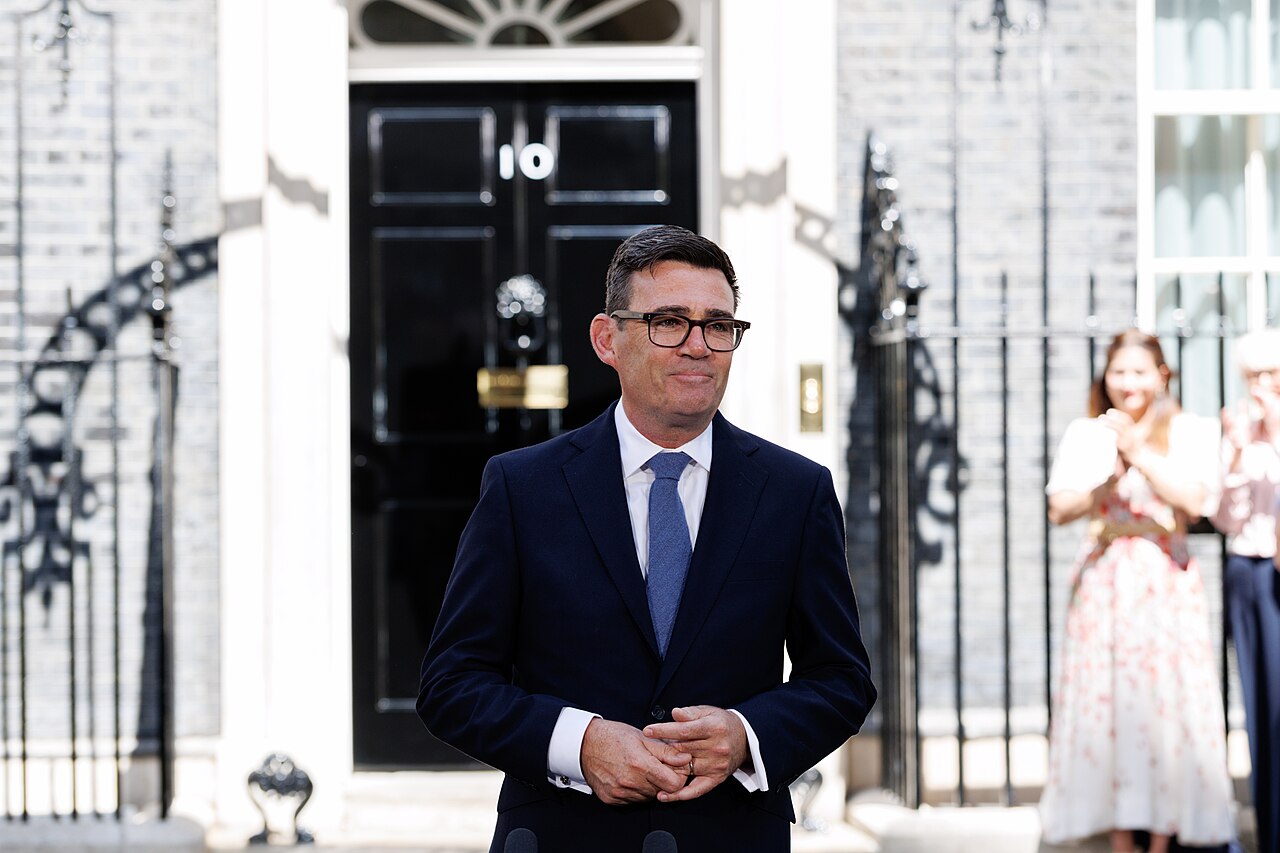
Andy Burnham has become Britain’s new prime minister after meeting King Charles III at Buckingham Palace, beginning a new political era as investors assess how his economic agenda could reshape business conditions and market confidence.
Burnham replaces Keir Starmer and becomes Britain’s seventh prime minister in a decade. His arrival follows another period of political change, placing economic stability among the most important issues facing the new government. Burnham has promised measures to address the cost of living, alongside a 10-year plan intended to reform the economy and improve living standards.
For investors, attention will focus on how these ambitions translate into fiscal policy. Plans involving public services, housing and social care could require substantial government spending, raising questions about taxation, borrowing and the management of public finances. Financial markets are likely to scrutinise the new administration’s ability to balance investment with fiscal discipline.
Burnham has also promoted greater regional economic power, drawing on his experience as mayor of Greater Manchester. A stronger focus on infrastructure and decentralisation could create opportunities across construction, transport and regional development. However, significant policy changes may introduce uncertainty for companies until funding arrangements and implementation details become clearer.
Business confidence will also depend on Burnham’s approach to regulation, energy costs and private investment. His government faces pressure to stimulate growth while supporting households affected by persistent living costs. The response of sterling and UK assets will reflect investor confidence in the credibility of these policies.
Burnham enters Downing Street with expectations for rapid change, but markets will ultimately judge his leadership through economic delivery. Clear fiscal plans, stable policymaking and stronger growth could support investment sentiment.