
Bond Market Drives Fed Rate Expectations
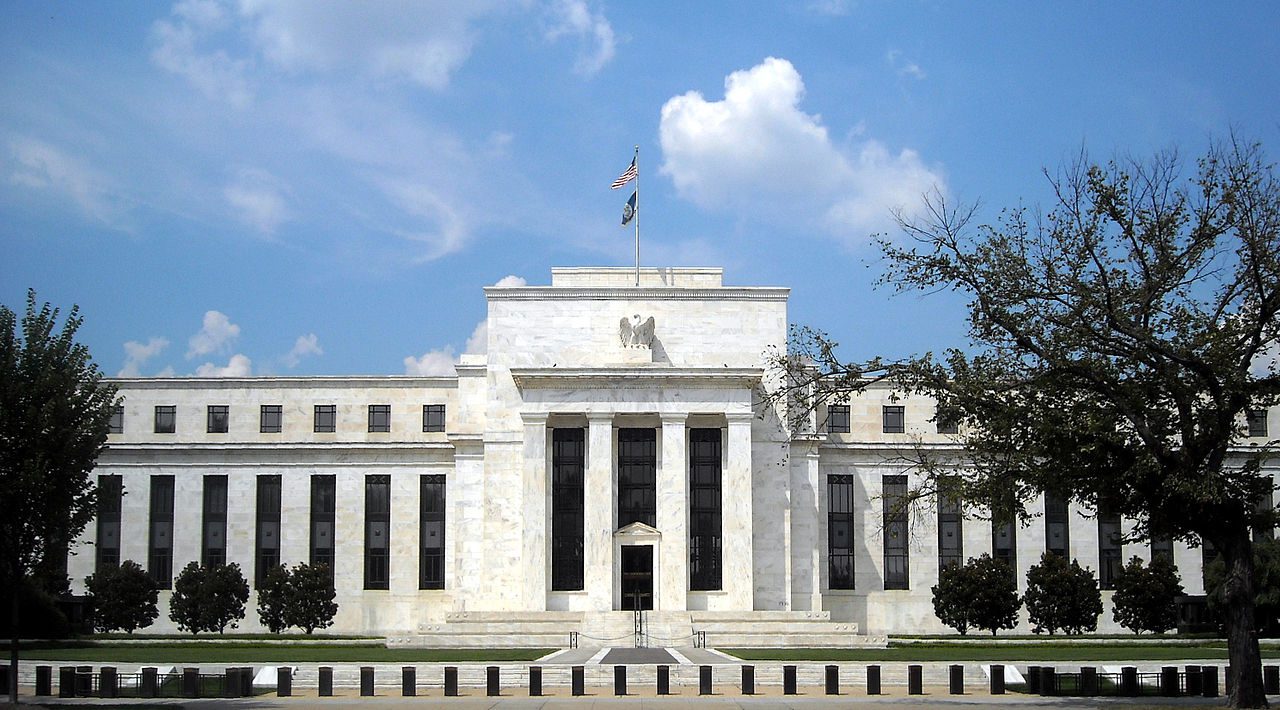
The U.S. bond market is becoming a key factor in shaping expectations for the Federal Reserve’s future interest rate decisions. As of 2026, bond yields have been climbing, particularly on short‑term Treasuries like the 2‑year bond, signaling that investors anticipate the Fed may need to tighten monetary policy in response to ongoing inflation and economic growth concerns. Yields on long‑dated Treasuries, such as the 10‑year bond, have also risen, reflecting market expectations that inflation risks may not be fully contained, pushing the Fed to act in the coming months.
Futures markets are pricing in a more than 30% probability of a Fed rate hike by year‑end, with bond yields indicating that investors are becoming increasingly wary of inflationary pressures. These rising yields reflect the bond market’s forecast of higher inflation and stronger economic growth, despite the Fed’s decision to pause rate hikes in recent months. The increase in long‑term bond yields suggests that the market believes inflation risks remain elevated, and that the Fed may need to tighten policy further to curb these pressures.
The bond market’s ability to drive expectations comes from its forward‑looking nature, where long‑term yields act as a barometer of future economic conditions. Investors use these yields to gauge expectations for inflation, growth, and central bank actions. When bond yields rise, it typically signals that the market expects higher inflation or stronger growth, both of which would pressure the Fed to tighten rates. Conversely, falling yields suggest expectations of weaker growth and lower inflation, which would prompt the Fed to hold or reduce rates.
Geopolitical risks and commodity price volatility, particularly in oil, have added another layer of uncertainty, further steepening the yield curve. Investors are demanding higher returns for holding long‑dated debt due to these risks, reinforcing the view that the Fed may need to act to address inflation and economic overheating. The ongoing tension in the Middle East and oil price fluctuations have made investors cautious, pushing them to adjust their rate expectations.
In essence, the bond market is now providing real-time feedback on economic conditions and inflation expectations, forcing the Fed to reconsider its approach to interest rates. The rise in yields and the market’s growing probability of a rate hike suggest that investors are betting on future tightening, creating a strong signal for policymakers. This dynamic underscores the increasing influence of bond market pricing in shaping the broader monetary policy outlook.