BNP Paribas shares plunge after US Sudan verdict
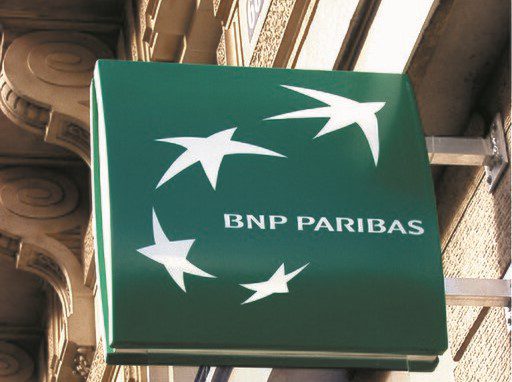
BNP Paribas shares fell by as much as 10 per cent on Monday after a U.S. federal jury found the French bank liable for aiding Sudan’s former regime under Omar al-Bashir. The verdict ruled that the bank’s actions helped the Sudanese government circumvent American sanctions, indirectly supporting human rights abuses committed during the conflict period.
The Manhattan jury awarded about $20.5 million in damages to three Sudanese plaintiffs who accused BNP Paribas of enabling atrocities through illegal financial transactions. Legal experts said the verdict could pave the way for thousands of additional claims from victims and their families, potentially exposing the bank to billions of dollars in liabilities.
BNP Paribas said it would appeal the ruling, arguing that the decision relied on an incorrect interpretation of Swiss law and excluded key evidence in its defence. The bank maintains that its historical settlement with U.S. authorities in 2014, when it paid a record $8.9 billion for sanctions violations, had resolved related issues. However, analysts warned that the new verdict could revive scrutiny of past conduct and lead to renewed financial and reputational risks.
The case comes amid a challenging environment for European banks, with BNP’s decline contributing to broader market weakness following France’s recent credit rating downgrade. Investors fear that prolonged legal uncertainty could weigh on the bank’s capital strength and earnings outlook, even as management insists its financial position remains solid.
For regulators and shareholders, the verdict highlights ongoing accountability risks tied to legacy compliance breaches. It also underscores how past sanctions violations can continue to pose financial and ethical challenges long after formal penalties are settled.