
Amazon USPS Rift Exposes Logistics Infrastructure Risks
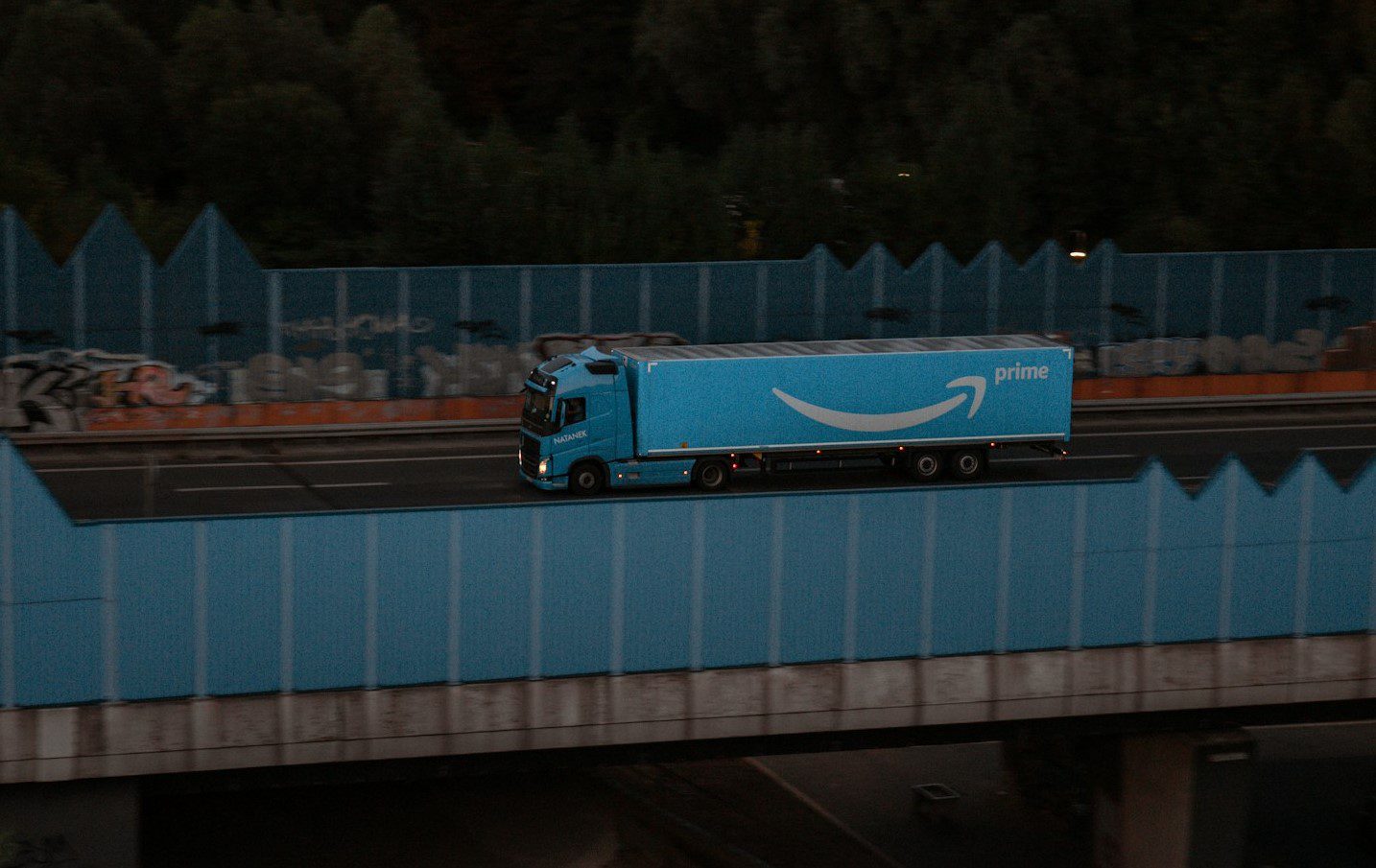
The breakdown in negotiations between Amazon and the United States Postal Service is exposing structural vulnerabilities within the US logistics infrastructure system, particularly in last-mile delivery networks that depend on high-volume throughput to remain efficient. The potential scaling back of Amazon shipments threatens to disrupt utilisation levels across one of the country’s most extensive delivery infrastructures.
USPS operates a nationwide logistics network built on sorting hubs, transportation corridors and last-mile delivery routes, many of which rely on consistent parcel volumes to maintain cost efficiency. Amazon, as one of its largest commercial users, provides a significant share of that volume. A sharp reduction in shipments could create infrastructure imbalances, where fixed assets such as sorting facilities and delivery routes become underutilised, increasing operational costs across the network.
The issue highlights a core infrastructure challenge, the dependency of public logistics systems on private sector demand to sustain network viability. Unlike flexible private logistics models, USPS infrastructure is designed to maintain universal service coverage, including low-density and rural areas. Without sufficient parcel flow, the cost of maintaining this infrastructure rises significantly, placing pressure on long-term sustainability and capital investment capacity.
At the same time, Amazon’s expansion of its own logistics infrastructure is reshaping the delivery landscape. The company has been investing heavily in distribution centres, regional fulfilment hubs and proprietary last-mile networks. This shift represents a move towards vertically integrated infrastructure, where private networks increasingly replace shared public systems, altering the balance of national logistics capacity.
The breakdown also underscores how infrastructure financing and maintenance are linked to commercial contracts. USPS has been attempting to restructure pricing models to better reflect the cost of maintaining its infrastructure, but these changes have disrupted legacy agreements. The result is a reallocation of logistics flows that could leave parts of the network misaligned with current demand patterns.
From an infrastructure planning perspective, the situation raises concerns about network resilience. Reduced utilisation may limit the postal service’s ability to invest in modernisation, including automation and digital tracking systems, which are essential for maintaining competitiveness in modern logistics.
Ultimately, the dispute illustrates how shifts in commercial partnerships can directly affect the performance and sustainability of critical logistics infrastructure, with implications for service coverage, cost structures and long-term network investment.