
Xiaomi Targets Annual Smartphone Chip Launch
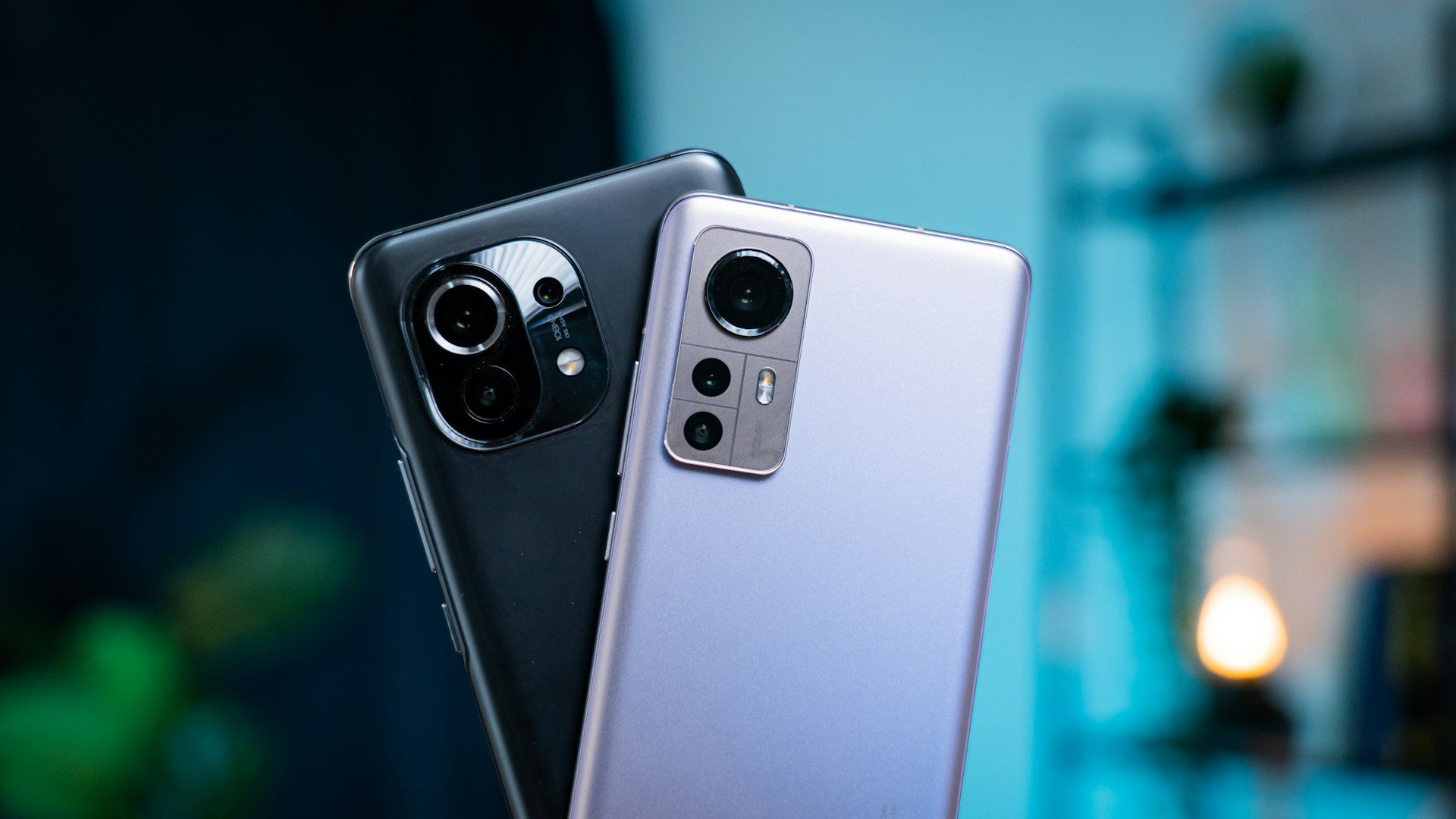
Xiaomi plans to release a new in house smartphone processor every year, signalling a deeper push into semiconductor development as competition intensifies across the global mobile technology sector. The strategy reflects the growing importance of proprietary silicon in optimising device performance, artificial intelligence processing and ecosystem integration.
The company aims to establish a regular chip development cycle similar to those used by leading technology manufacturers that design their own processors. Custom system on chip architecture allows smartphone makers to tailor computing performance, graphics capability and power efficiency specifically to their operating systems and AI features. By designing processors internally, Xiaomi can integrate hardware more tightly with its HyperOS software platform and connected device ecosystem.
The initiative also aligns with the company’s broader artificial intelligence roadmap. Xiaomi is developing a new AI assistant aimed at overseas markets, complementing its existing domestic digital assistant platform. Integrating AI services directly into custom silicon enables faster on device processing for functions such as voice interaction, image recognition and generative features, reducing reliance on external cloud computing resources.
From a technology infrastructure perspective, annual chip releases require significant investment in semiconductor research, chip architecture design and manufacturing partnerships with advanced foundries. Proprietary processors can also strengthen supply chain resilience, allowing manufacturers to reduce dependence on external chip vendors during periods of global semiconductor volatility.
Xiaomi’s strategy highlights the intensifying race among smartphone companies to control core computing components. As artificial intelligence becomes central to mobile devices, owning the silicon layer is increasingly viewed as a strategic advantage. The shift suggests that future smartphone competition will be shaped not only by device design and software but by the underlying semiconductor technology powering next generation AI experiences.