
US Approves Pilot Projects For Electric Air Taxis
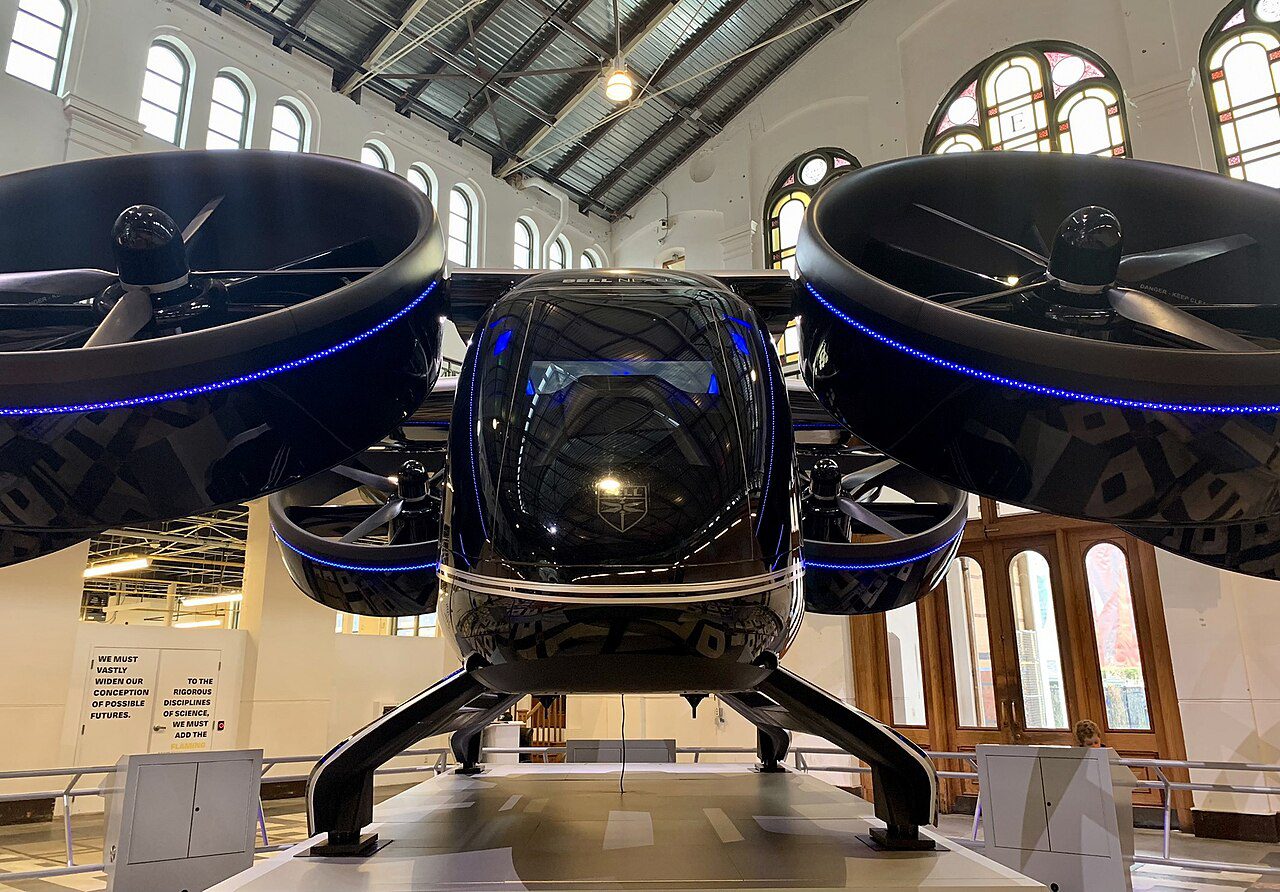
Electric air taxis are moving closer to commercial deployment in the United States after federal authorities approved pilot projects designed to test the aircraft and prepare infrastructure for future operations.
The programme will allow companies and local authorities to test electric vertical take-off and landing aircraft across multiple regions, with selected projects expected to operate in more than two dozen states. The initiative forms part of a broader effort by regulators to evaluate how advanced air mobility systems can be integrated safely into existing aviation infrastructure and urban transportation networks.
Electric air taxis are designed to function as short distance aerial transport services, capable of carrying small groups of passengers between urban locations. The aircraft can take off vertically like helicopters before transitioning into forward flight, allowing them to bypass road congestion and significantly reduce travel times within large metropolitan areas.
Developers argue that the technology could transform urban mobility by connecting airports, business districts and suburban areas through rapid aerial routes. In many cases, journeys that currently take more than an hour by car could be completed in minutes by air. This potential efficiency has attracted strong interest from both technology investors and transportation planners seeking alternatives to increasingly congested road networks.
Several aerospace companies are developing aircraft for the emerging market, including firms building electric aircraft designed to operate with lower noise levels and zero direct emissions compared with traditional helicopters. The sector has attracted billions of dollars in investment as manufacturers race to commercialise fleets capable of supporting large scale air taxi networks.
The pilot projects will also evaluate infrastructure requirements needed to support these services. Electric air taxis require specialised landing and charging facilities known as vertiports, as well as systems capable of managing increased air traffic within urban airspace. Regulators will study how these aircraft interact with airports, air traffic control systems and city transport networks.
Although the technology is advancing rapidly, several regulatory and technical challenges remain before commercial services can begin. Aircraft must receive full safety certification and cities must develop the infrastructure necessary to support regular operations.
Nevertheless, the testing programmes represent a significant step toward integrating electric air taxis into modern transportation systems, potentially opening a new segment of the aviation and urban mobility industry.