
UK Grid Reform Unlocks Clean Energy Investment
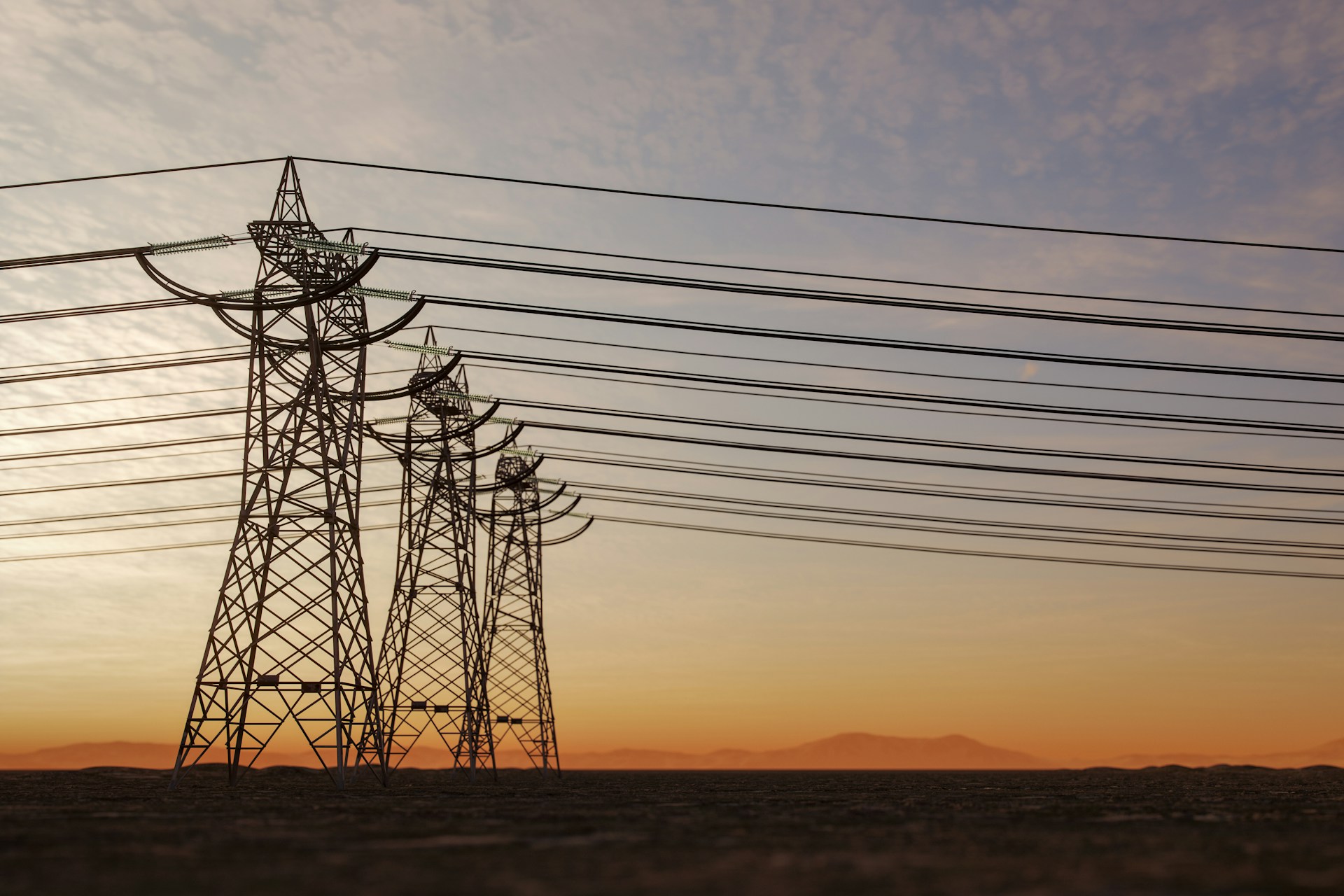
Britain’s National Energy System Operator has issued grid connection dates to over 700 renewable energy projects, representing approximately 37 gigawatts of capacity, in a landmark step for national infrastructure planning and decarbonisation efforts. The allocations, covering onshore and offshore wind, solar, hydro, gas and battery storage, signal progress in addressing long‑standing bottlenecks that have delayed construction and inhibited private capital deployment in the electricity system.
The reformed connection framework prioritises projects with secured planning permission and land rights, replacing the previous first‑come‑first‑served model. By streamlining approvals and providing predictable access to the grid, the regime reduces speculative applications, enhances project bankability and gives financiers a clearer timeline for revenue generation. For infrastructure investors, the certainty of grid allocation is a pivotal factor in underwriting long-term debt and equity, particularly for projects requiring substantial upfront capital and multi-year construction periods.
Despite the progress, developers still face residual risks related to permitting, transmission reinforcements and regulatory compliance. Banks and institutional investors must assess these operational and regulatory factors when evaluating exposure, while factoring in the broader strategic importance of supporting national low-carbon capacity. Analysts note that the grid reform creates opportunities for financing ancillary infrastructure, including substation upgrades and interconnectors, which are critical to integrating new generation into the wider network.
The move also underscores the intersection of energy policy and infrastructure finance, with private capital expected to play a decisive role in meeting the UK’s 2030 decarbonisation targets. By improving clarity around grid access, the initiative enhances investor confidence, reduces execution risk and helps align financial flows with strategic national infrastructure priorities, ensuring the clean energy transition remains both technically feasible and financially sustainable.