
UK Budget Tests Clean Infrastructure Commitments
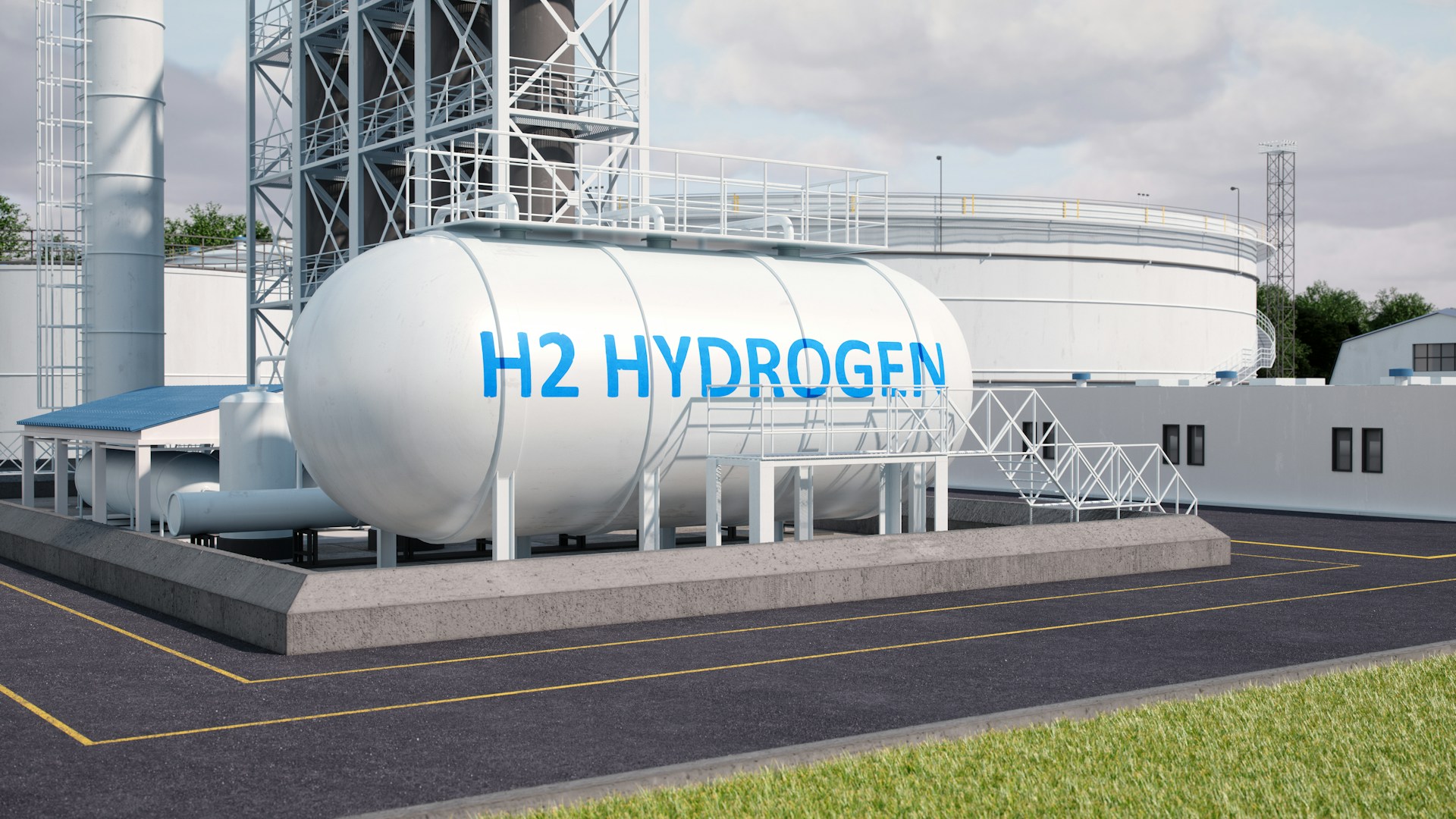
Britain's ambition to build a low-carbon industrial economy faces a decisive funding test as the Autumn Budget puts carbon capture and hydrogen infrastructure under scrutiny. Industry groups are pressing ministers to protect existing commitments, warning that uncertainty could delay projects requiring years of coordinated investment.
The government has already committed billions to carbon capture, utilisation and storage, a system designed to collect emissions from factories and transport carbon dioxide to permanent sites beneath the seabed. Supported clusters in Teesside and Merseyside are targeting operations by 2028, while Scotland's Acorn and the Humber's Viking projects have received development funding. Reports of possible reductions now raise doubts about the next phase.
Energy minister Martin McCluskey acknowledged fiscal pressures earlier this month, saying decisions would be needed on priorities and project sequencing. The Carbon Capture and Storage Association wants existing pledges honoured and further industrial sites connected to emerging networks. Its argument is that infrastructure already under development must attract additional users to deliver economic value.
Hydrogen faces similar uncertainty. The 2025 Spending Review allocated £500 million for transport and storage, but the government said on 22 October it was still assessing the timing and scale of support. The North West Hydrogen Alliance wants that commitment protected and HyNet selected as Britain's first regional hydrogen network. More than 30 companies employing over 10,000 people are seeking connections, according to the alliance.
For infrastructure investors, clarity matters as much as the headline allocation. Carbon capture requires pipelines, compression equipment and storage capacity, while hydrogen networks need production, transport and industrial customers to develop together. Delays in one element can weaken the commercial case for the rest, potentially slowing private funding and supply-chain investment.
The Budget will provide a measure of how Britain intends to balance public finances with industrial decarbonisation. Sustaining its early projects is one challenge; building an interconnected market around them is the larger undertaking. The signal ministers send on funding and delivery schedules could influence investment decisions well beyond this announcement.