
Tesla Pushes Cybercab Beyond Driver Controls
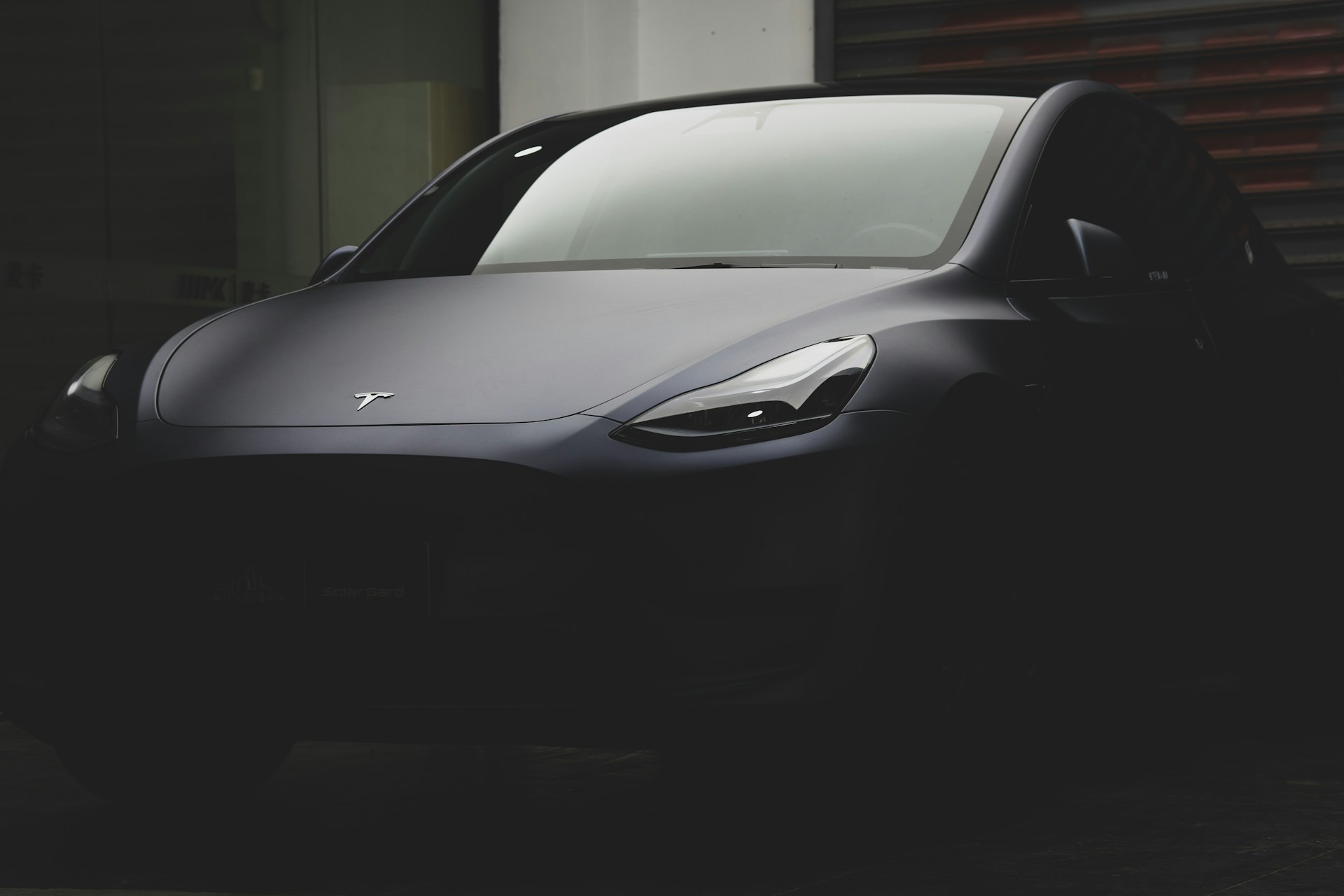
Tesla is preparing a fresh Cybercab update as it pushes its autonomous vehicle strategy towards a more radical test, operating without a steering wheel or pedals. The two-seat vehicle is central to Tesla’s effort to move beyond electric-car manufacturing and build a commercial robotaxi network, but the gap between demonstration and scale remains significant.
Cybercab production began earlier this year in Austin, where Tesla has also been testing vehicles on public roads. Around 45 Cybercabs were registered in Texas by early September, while the company’s wider robotaxi service continues to rely largely on Model Y vehicles. Tesla currently offers autonomous rides in Austin, Dallas, Houston, Miami, Orlando and Tampa.
The technology differs sharply from much of the industry. Tesla is relying primarily on cameras and its autonomous-driving software, while competitors including Waymo combine cameras with lidar and radar. That simpler hardware approach could lower vehicle costs if Tesla can demonstrate comparable safety and reliability at scale.
Regulation is beginning to move in its favour. US authorities are reconsidering safety rules written for vehicles with conventional controls, while Amazon-owned Zoox recently secured permission to commercially deploy purpose-built robotaxis without steering wheels or pedals. Tesla, however, still faces permitting requirements and regulatory scrutiny as it expands.
Competition is also advancing quickly. Waymo had 988 autonomous vehicles registered in Texas by early September, more than double Tesla’s wider autonomous fleet there.
The Cybercab update therefore arrives at a decisive point. Removing physical controls makes Tesla’s autonomy ambitions more visible, but it also raises the standard of proof. The next phase will be judged less by vehicle design than by whether Tesla can operate safely, secure approvals and turn limited deployments into a functioning transport network.