
Starmer Exit Deepens UK Economic Uncertainty
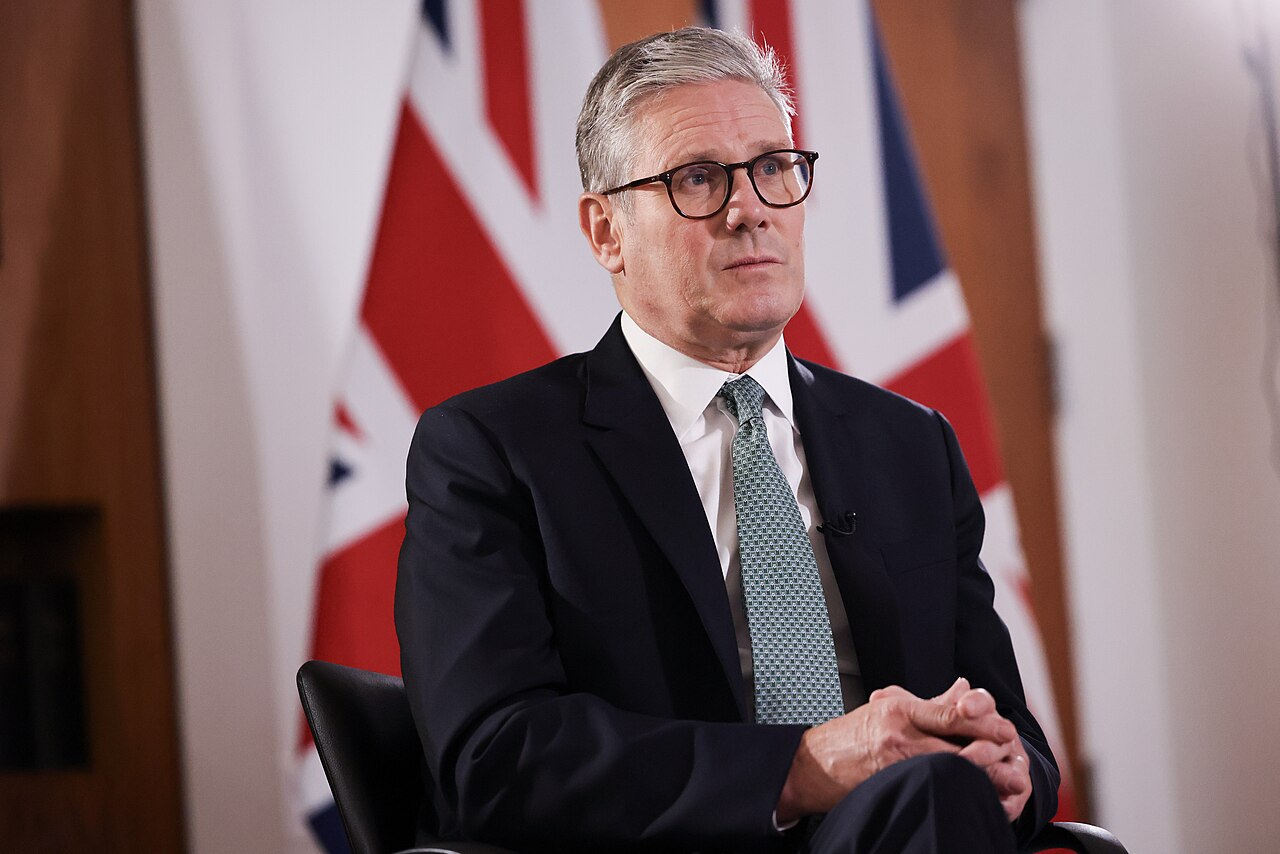
The UK is entering a period of political transition following Prime Minister Keir Starmer’s decision to outline plans for his departure, prompting investors and businesses to assess the economic implications of a change in leadership. While political developments have attracted significant attention, market participants remain primarily focused on the direction of economic policy and the government's commitment to supporting growth.
The leadership transition comes at a time when the UK economy is navigating a mixed environment. Inflation has moderated from recent highs, interest rate expectations are evolving and policymakers continue to balance fiscal discipline with measures designed to encourage investment. Against this backdrop, investors are seeking reassurance that economic priorities will remain consistent regardless of changes at the top of government.
Attention has increasingly turned to potential successors, including Greater Manchester Mayor Andy Burnham, who is viewed as a leading contender. Economic issues are expected to dominate the leadership discussion, with housing, infrastructure, public services and productivity growth likely to feature prominently. For businesses and financial markets, the key consideration is whether the next administration can maintain policy continuity while advancing reforms aimed at strengthening long-term economic performance.
The UK continues to face structural challenges, including improving productivity, attracting investment and managing pressure on public finances. However, the economy has shown resilience in several areas, supported by a stable labour market and easing inflationary conditions. Economists note that political transitions are a normal feature of democratic systems and do not necessarily alter underlying economic fundamentals.
Markets have generally adopted a measured approach, focusing more on future policy signals than on the leadership change itself. Investors will be watching closely for indications regarding fiscal strategy, business investment incentives and plans to support economic growth in the years ahead.
The transition therefore represents less a political disruption than an economic inflection point. As a new leadership contest unfolds, attention is likely to remain centred on how the UK can strengthen competitiveness, encourage investment and sustain growth in an increasingly challenging global econom