
Smart Glasses Meet Growing Privacy Resistance
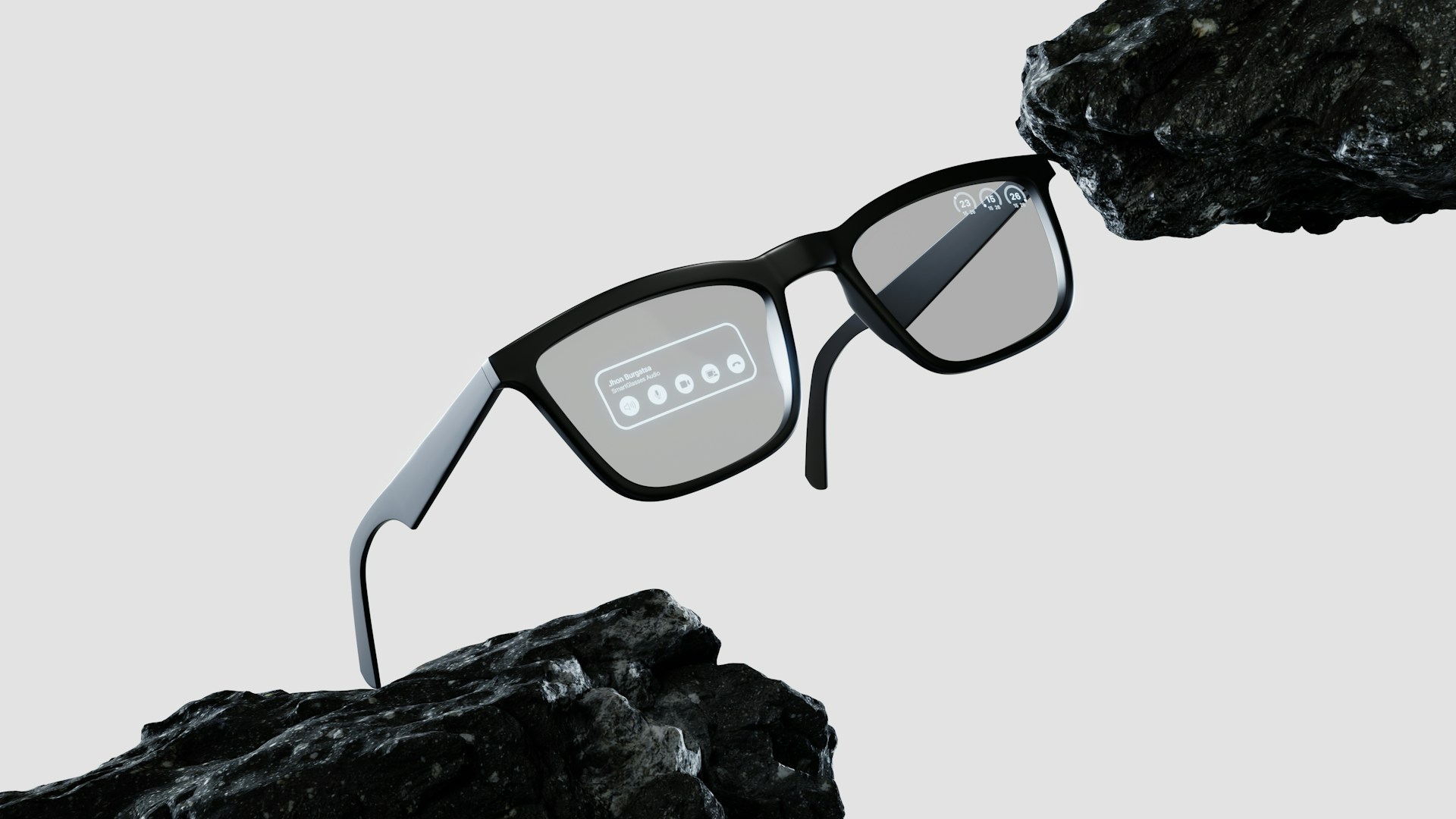
Smart glasses are moving into a more difficult phase of adoption as governments, courts and businesses begin placing limits on where camera-equipped devices can be used. The restrictions are emerging just as Meta’s Ray-Ban glasses help push the category further into the mainstream.
Norway has gone furthest, proposing a temporary ban on AI-enabled glasses in public spaces including parks, beaches, museums, shopping centres, schools and healthcare facilities. The government says the measure is intended to prevent people being photographed, filmed or recorded without their knowledge while a longer-term regulatory framework is developed.
Other jurisdictions are taking narrower steps. Australia is considering restrictions in government workplaces, while courts in England and Wales already prohibit Meta smart glasses because of rules on recording inside courtrooms. British cinema operators are also tightening policies around camera-enabled eyewear, and New York’s court system has introduced a similar ban.
European regulators are examining the issue more broadly. The European Data Protection Board has commissioned research into the social acceptability of smart glasses, while some lawmakers are pressing the European Commission to consider whether existing privacy rules are sufficient.
The regulatory response reflects a feature that distinguishes smart glasses from smartphones: recording can take place from a device that resembles conventional eyewear and may attract less attention. Cameras, microphones and AI assistants increase their usefulness, but also complicate consent and oversight.
That tension is now becoming part of the product market itself. Manufacturers are trying to make smart glasses more discreet and wearable, while regulators are focusing on the same qualities as potential privacy risks. Wider adoption may therefore depend not only on better hardware and AI, but on whether companies can make recording-enabled wearables acceptable in places where people expect not to be watched.