
National Grid Secures Cross Channel Power
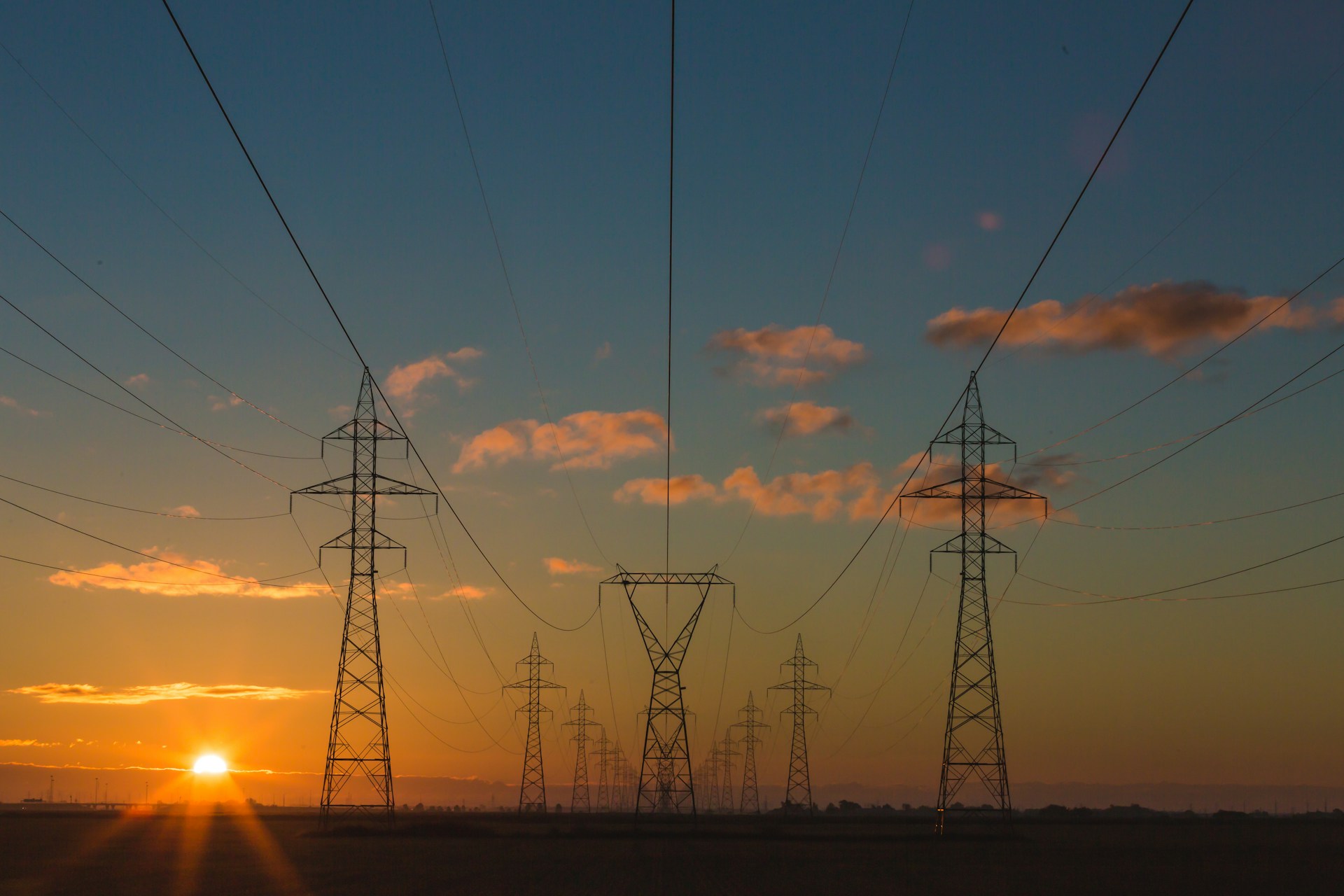
Britain's National Grid plans to invest up to £400 million to extend the operating life of a major electricity connection with France until at least 2050. The project highlights the growing importance of cross-border infrastructure as governments seek reliable power supplies amid rising demand and greater uncertainty in energy markets.
The investment will support the Interconnexion France-Angleterre, commonly known as IFA, which is jointly owned by National Grid and French transmission operator RTE. The link has been operating for 40 years and remains Britain's largest subsea electricity connection by capacity. It can supply enough power to meet the annual needs of approximately three million British homes.
The planned work includes upgrades to technical equipment, buildings and other facilities at the connection site. Extending the life of existing infrastructure can offer an alternative to constructing entirely new links, particularly where major projects face complex approvals, equipment costs and long construction schedules. However, the financial and engineering benefits will depend on maintaining reliable operations throughout the refurbishment programme.
IFA typically carries electricity from France to Britain, although flows can move in either direction. That flexibility matters because electricity supply and demand vary across national markets. Stronger connections allow power systems to draw on generation elsewhere when domestic supplies are constrained, while providing additional routes for electricity exports when conditions reverse.
Britain currently operates ten power connections with neighbouring European markets, including France, Belgium, Norway and the Netherlands. Net imports through these links accounted for about 9 per cent of British electricity supply last year, according to government figures cited by Reuters. This demonstrates the contribution interconnectors already make to the country's energy balance.
The proposed investment also illustrates the strategic value of maintaining infrastructure that is already integrated into regional power networks. As electricity demand rises and energy security becomes more prominent, reliable cross-border transmission could help limit supply disruptions and support system flexibility. National Grid's challenge will be to deliver the upgrades efficiently while preserving the link's long-term commercial and operational usefulness.