
Morgan Stanley Strengthens China Banking Security Controls
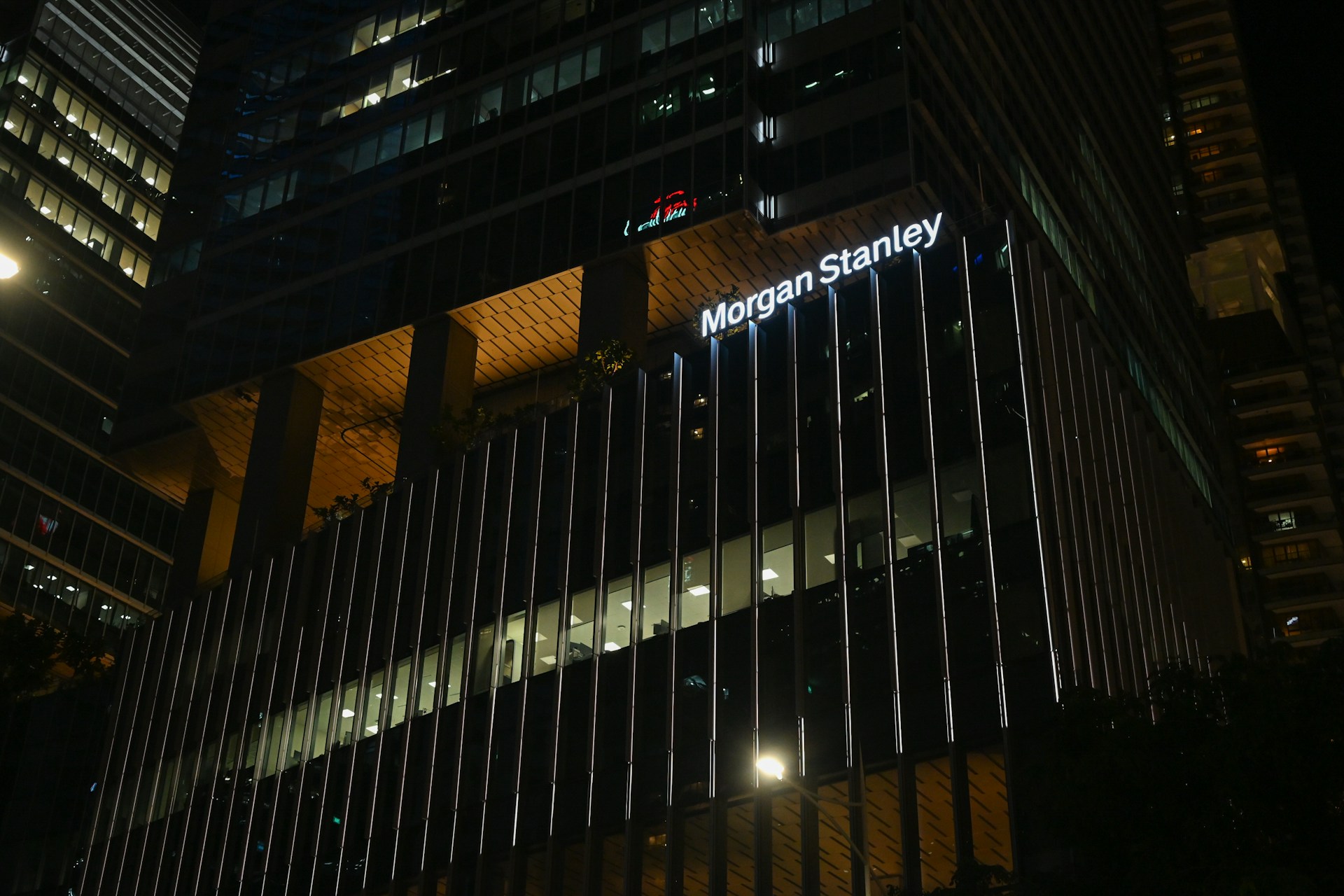
Morgan Stanley has introduced stricter technology measures for bankers travelling between Hong Kong and mainland China, reflecting growing concerns across the financial sector over data security, regulatory compliance and geopolitical risk management. The decision highlights how international banks are increasingly adapting operations to meet tightening digital regulations in major global markets.
The bank has reportedly issued dedicated work devices, including restricted iPhones and iPads, to employees travelling to mainland China. The devices provide limited access mainly to email and virtual meeting applications, reducing exposure to sensitive internal systems and confidential corporate information. More than 300 investment banking staff in Hong Kong are believed to be affected by the new policy.
The move comes as financial institutions face rising scrutiny over cross-border data transfers and cybersecurity practices. China strengthened its data protection and national security laws in recent years, prompting multinational firms to reassess how sensitive information is handled within mainland jurisdictions. International banks operating across Greater China have increasingly separated mainland technology systems from wider global networks to reduce regulatory and operational risk.
For Morgan Stanley, the policy reflects the growing complexity of maintaining investment banking operations in one of the world’s most important capital markets. Hong Kong remains a major centre for Chinese listings, mergers and cross-border fundraising activity, requiring frequent travel between financial hubs and mainland corporate clients. Banks are therefore under pressure to balance commercial access with stricter internal controls surrounding digital infrastructure and information security.
Analysts believe the development signals a broader shift within global banking, where cybersecurity and technology governance are becoming as strategically important as traditional financial risk management. Large international lenders are increasingly investing in isolated regional systems, encrypted communication tools and restricted-access devices as geopolitical tensions continue affecting financial operations.
The measures also demonstrate how global banking infrastructure is gradually fragmenting along regulatory and political lines. As governments impose stricter digital sovereignty rules, multinational banks may face rising operational costs and more complex compliance obligations across international markets.