
Google Plans Renewable Powered Minnesota Data Centre
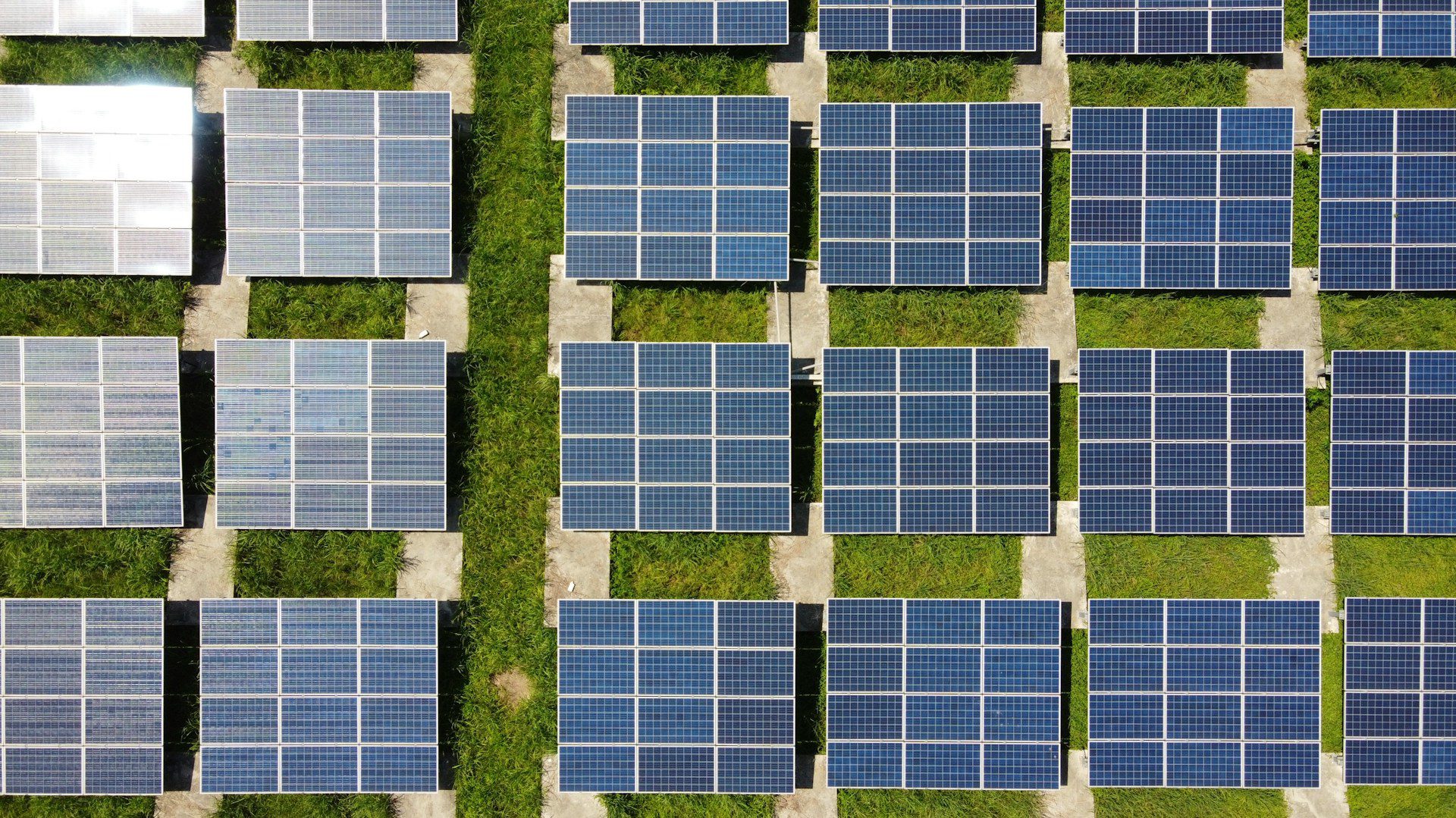
Google will build a large scale data centre in Minnesota supported by dedicated wind, solar and battery storage capacity, signalling a deeper integration of digital infrastructure with renewable energy systems. The project reflects mounting pressure on technology groups to align rapid data expansion with grid stability and decarbonisation targets.
The facility, to be developed in partnership with local utility providers, will be backed by significant new generation capacity rather than relying solely on existing grid supply. Plans include around 1,400 megawatts of wind power, 200 megawatts of solar energy and 300 megawatts of long duration battery storage. By directly financing associated energy infrastructure, Google aims to prevent additional costs from being passed on to residential customers, a growing concern in regions experiencing data centre driven electricity demand.
Battery storage forms a critical component of the strategy. As renewable output fluctuates with weather conditions, storage systems will capture excess generation and release it during peak demand, smoothing supply and supporting grid reliability. Data centres require constant, high intensity electricity to power servers, cooling systems and networking equipment. Ensuring continuous availability without increasing fossil fuel dependence has become central to infrastructure planning in the technology sector.
The development also carries regional economic implications. Construction activity and long term operational roles are expected to support local employment, while expanded renewable capacity strengthens Minnesota’s clean energy objectives. For utilities, the arrangement offers a template in which hyperscale data operators fund incremental generation, reducing strain on legacy systems.
As artificial intelligence and cloud computing accelerate, electricity consumption by data centres is projected to rise sharply. Integrating renewable generation and storage at the outset may become a defining feature of next generation digital infrastructure. The Minnesota project illustrates how energy planning and technology expansion are converging, positioning power resilience as a strategic pillar of digital growth.