
Global Factories Weather Mounting Energy Pressures
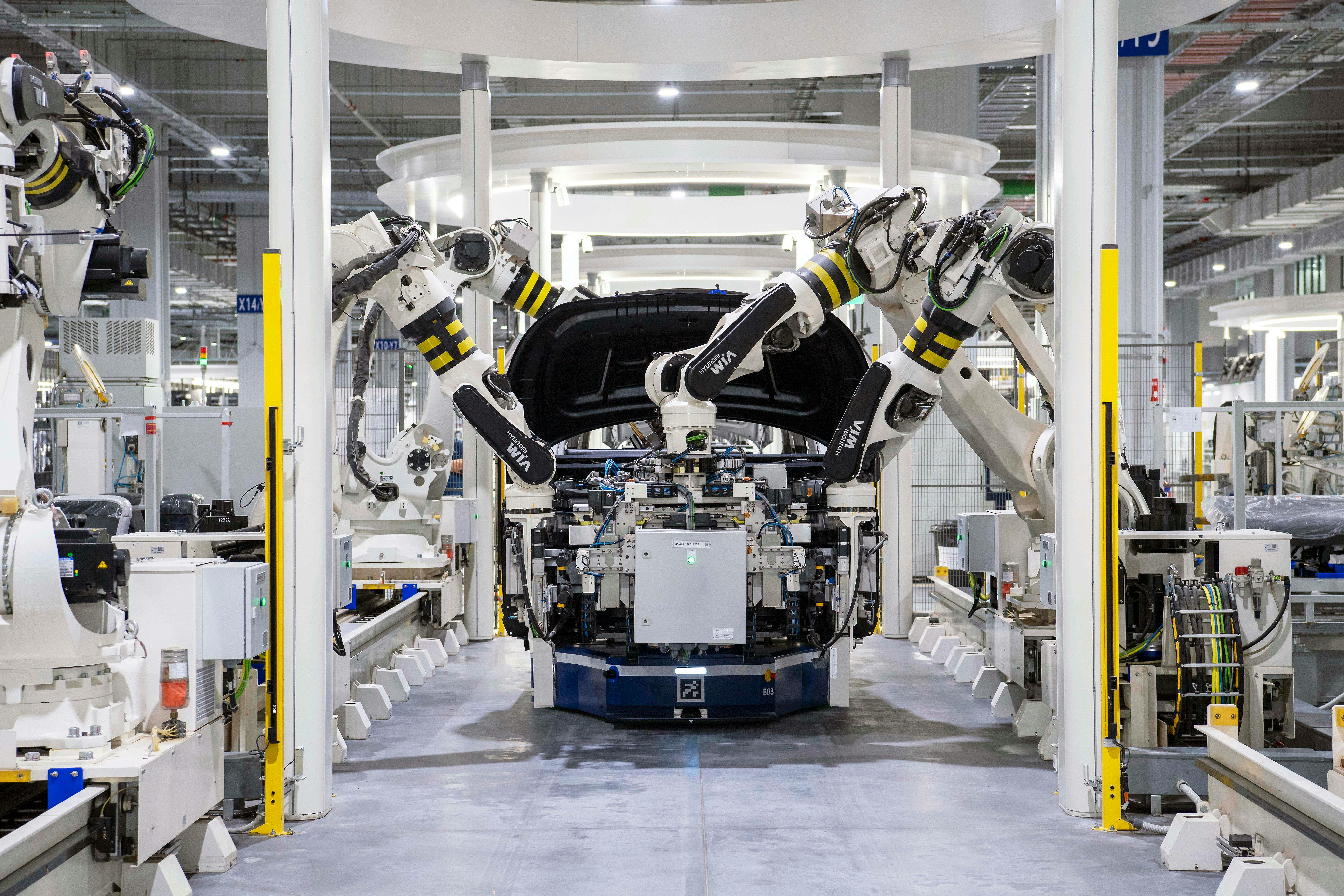
Manufacturing activity across major economies remained resilient in October, but rising energy costs and supply disruptions are creating fresh pressure on industrial production. New surveys released on 2 November reveal a global manufacturing sector still expanding while facing increasingly difficult operating conditions.
The eurozone's manufacturing Purchasing Managers' Index declined slightly to 52.7 from 52.9 in September. Although the reading remained above the level indicating expansion, manufacturers reported intensifying input costs.
Germany continued to record growth in factory activity, while France slipped back into contraction.
Britain delivered a stronger performance, with manufacturing output expanding at its fastest pace in more than two years. However, higher production costs have increased concerns that inflation could remain elevated.
Across Asia, manufacturing expansion also continued, although momentum weakened in several major economies.
China's manufacturing index eased to 52.0 from 52.1, while Japan recorded its slowest expansion in seven months. South Korea experienced its weakest growth in eight months.
Demand for semiconductors and artificial intelligence-related equipment has supported production, particularly in technology-oriented economies.
Nevertheless, prolonged conflict in the Middle East has increased energy costs and disrupted supply chains, reducing manufacturers' ability to protect profit margins.
For the wider economy, the figures reveal a difficult balance between industrial resilience and inflation risk. Strong factory activity supports employment, exports and business investment, but rising costs can eventually weaken consumer purchasing power and corporate profitability. Central banks may face pressure to maintain higher interest rates even when parts of the manufacturing sector begin to slow.
The European Central Bank is already confronting expectations of further monetary tightening, while Britain's central bank is preparing for its next policy decision.
The International Monetary Fund has also warned that Asia's economic growth could moderate next year as energy pressures and uncertainty surrounding AI investment affect demand.
The latest figures suggest that global manufacturing remains capable of expansion despite substantial challenges. Sustaining that performance will depend on the availability of affordable energy, reliable supply chains and continued demand for manufactured goods.