
Glasgow Central Closure Disrupts Rail Infrastructure
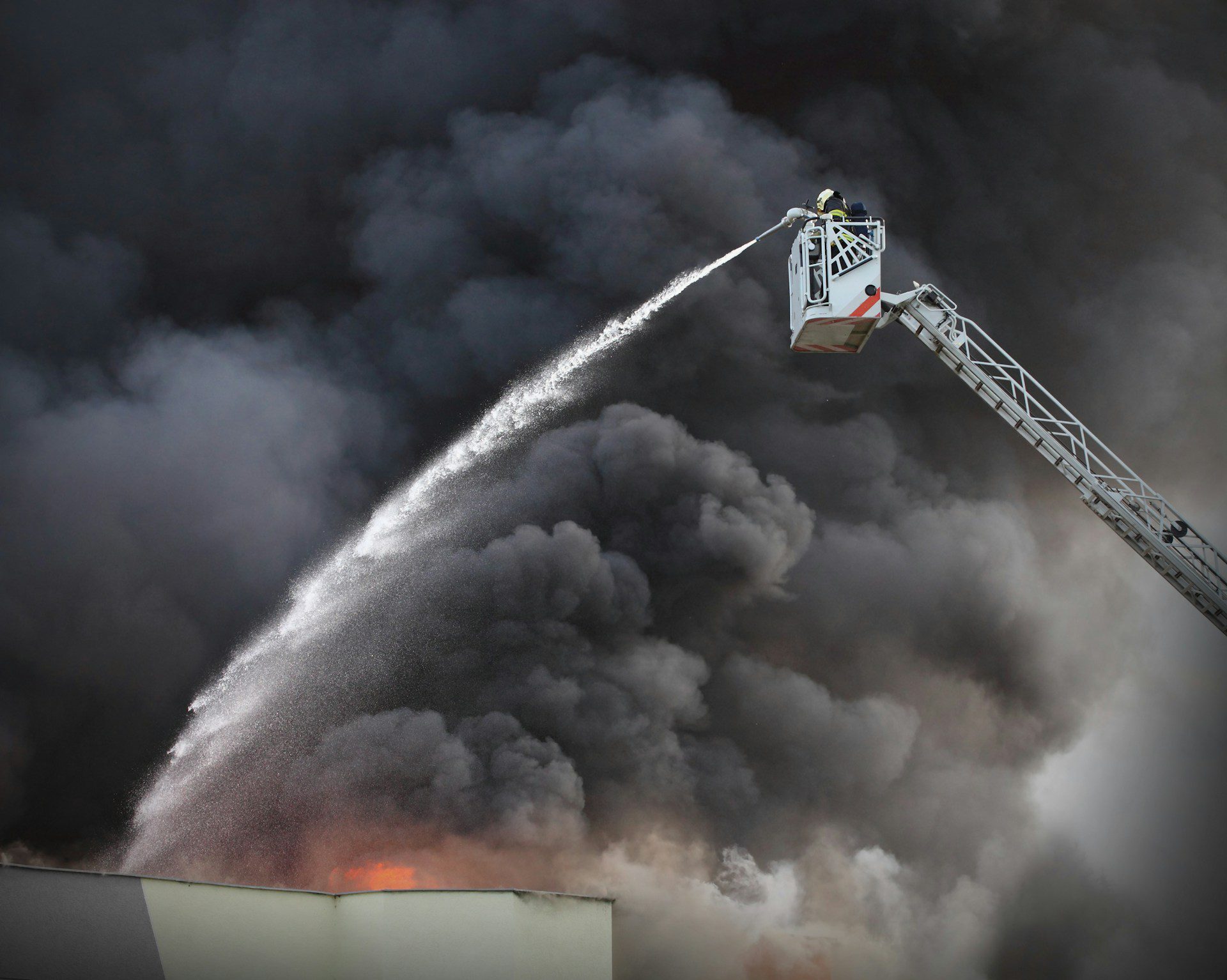
Glasgow Central station, one of the United Kingdom’s most critical rail hubs, has been forced to close after a major fire in a neighbouring building raised safety concerns around surrounding transport infrastructure and disrupted rail operations across Scotland.
The blaze broke out in a commercial property on Union Street close to the station and quickly escalated, prompting a large emergency response from fire crews and police. Thick smoke spread through the city centre as firefighters worked to contain the flames, while parts of the affected structure reportedly collapsed during the incident. Authorities subsequently closed Glasgow Central to allow engineers and emergency teams to assess potential risks to nearby railway infrastructure.
The station plays a central role in Scotland’s transport network, serving as the primary interchange for regional commuter routes, intercity rail services and cross border connections to England. With millions of passengers passing through the facility each year, its temporary closure has created significant disruption for rail operators and transport authorities responsible for maintaining network continuity.
Infrastructure inspections are now focused on determining whether the fire or structural collapse affected railway systems, including tracks, overhead equipment, station platforms and surrounding structures. In dense urban environments, incidents involving adjacent buildings can create serious safety risks for nearby transport infrastructure, particularly when structural damage or debris threatens operational areas.
Rail services have been suspended while engineers evaluate the site and determine whether repairs or safety reinforcements are required before reopening. Operators have warned that cancellations and delays are likely to continue as trains are redirected to alternative stations where possible. Access to surrounding streets has also been restricted to protect emergency crews and infrastructure personnel working near the damaged building.
The incident highlights the interconnected nature of urban infrastructure, where transportation systems operate alongside commercial properties, utilities and other built assets. Fires or structural failures in adjacent buildings can therefore trigger wider operational disruptions within transport networks even when railway facilities themselves are not directly damaged.
Transport authorities are expected to complete detailed structural assessments before restoring services at the station. Until inspections confirm that railway infrastructure remains secure, Glasgow Central will remain closed as officials prioritise safety and the protection of critical rail infrastructure serving the wider region.