
Deutsche Telekom Integrates Starlink Into Network Stack
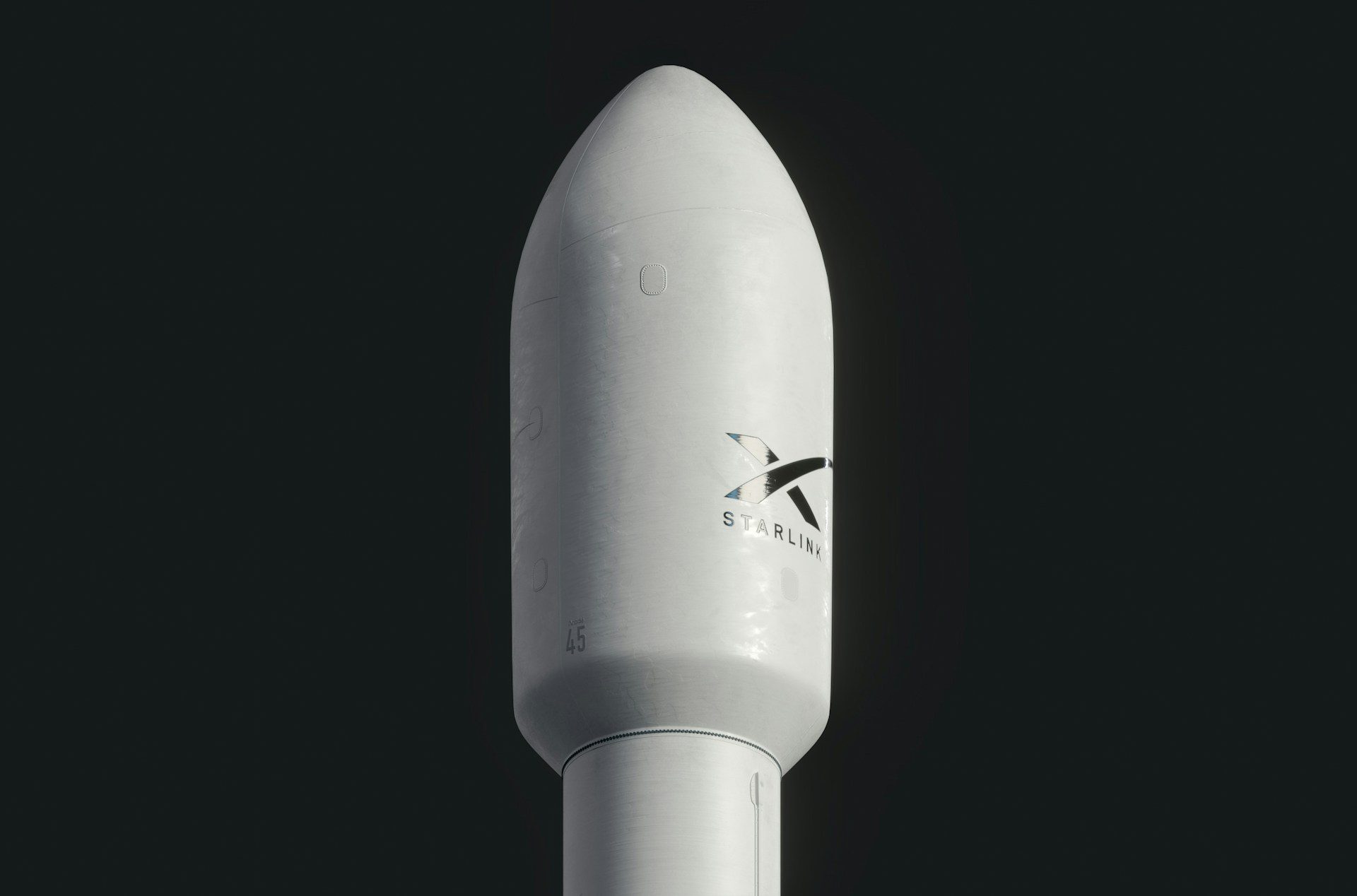
Deutsche Telekom has partnered with SpaceX’s Starlink to embed low Earth orbit satellite capability directly into its mobile network architecture, marking a technological shift towards fully hybridised connectivity models. The initiative targets persistent rural coverage gaps by linking terrestrial mobile infrastructure with orbital backhaul and direct-to-site satellite capacity.
Technically, the arrangement leverages Starlink’s low latency LEO constellation to extend network reach beyond the economic limits of fibre and microwave backhaul. Instead of constructing additional ground infrastructure in sparsely populated regions, Deutsche Telekom can connect remote base stations via satellite links into its core network. This reduces dependency on extensive trenching, accelerates deployment cycles and enables dynamic capacity allocation across underserved zones.
The integration represents more than incremental coverage expansion. It introduces a layered network topology in which terrestrial radio access networks interface with non-terrestrial transmission layers. Such hybrid architecture enhances resilience by providing alternative routing paths if fibre lines are disrupted. It also supports network slicing strategies within 5G environments, where differentiated service quality depends on consistent backhaul performance.
From a technology perspective, latency performance is central. Traditional geostationary satellites introduced delays unsuitable for mobile voice and real-time data. Starlink’s LEO configuration reduces latency sufficiently to support mainstream mobile applications, making satellite augmentation technically viable for consumer-grade connectivity rather than niche enterprise use cases.
The collaboration reflects a broader convergence between telecom operators and space-based infrastructure providers. As spectrum efficiency, densification and edge computing demands intensify, operators are reassessing rigid ground-based architectures. Satellite integration offers elastic scalability, particularly in low-density areas where return on capital for fibre deployment is constrained.
Challenges remain in spectrum coordination, handset compatibility and seamless handover between terrestrial and satellite layers. However, if technical integration proves stable, the model could redefine rural network economics and influence future 6G development, where non-terrestrial networks are expected to be structurally embedded within global connectivity frameworks.