
BoJ Hikes Rates To 31-Year High
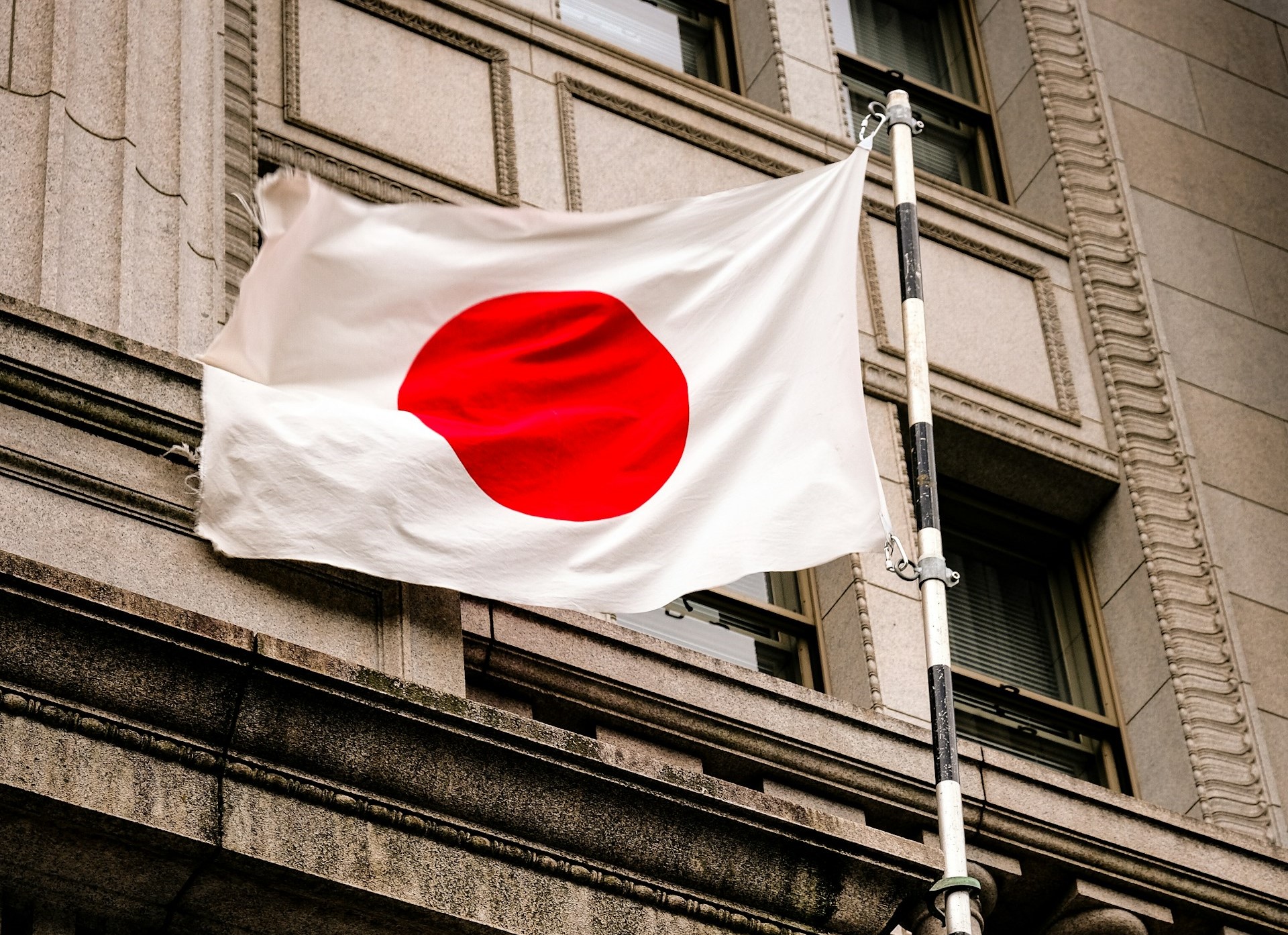
The Bank of Japan has increased its policy interest rate to 1.0 per cent from 0.75 per cent, marking the highest level in 31 years and signalling a shift away from decades of ultra‑low interest rates. The decision, approved by a 7‑1 board vote, responds to persistent inflation pressures, particularly rising energy costs, and reflects the central bank’s determination to prevent price growth from becoming entrenched even as core inflation stabilises near target.
This tightening represents a significant pivot in Japanese monetary policy, reversing years of accommodation designed to combat deflation and stimulate economic growth. Analysts note that the move aligns Japan with global central banks responding to sustained inflation, though the scale and pace of normalisation remain measured relative to the U.S. Federal Reserve and Bank of England. Markets had largely anticipated the hike, but investors are now evaluating implications for currency, capital flows and funding costs.
For institutional investors and portfolio managers, the BoJ’s policy shift carries multiple ramifications. The Japanese yen has remained relatively weak against the U.S. dollar, leaving export-dependent sectors resilient, while higher interest rates may influence corporate borrowing costs and bond valuations. Equity markets, including the Nikkei 225, have reacted positively, suggesting confidence that policy normalisation signals underlying economic recovery and structural reform progress.
Looking ahead, analysts expect the BoJ to continue incremental rate adjustments if inflation remains above target, highlighting that policy normalisation may be an ongoing theme for Japanese financial markets. Investors and banking institutions will need to incorporate the evolving interest rate landscape into risk models, portfolio allocations, and currency hedging strategies, balancing growth prospects with inflation control in a shifting macroeconomic environment.