
BofA initiates Tesla as high growth stock
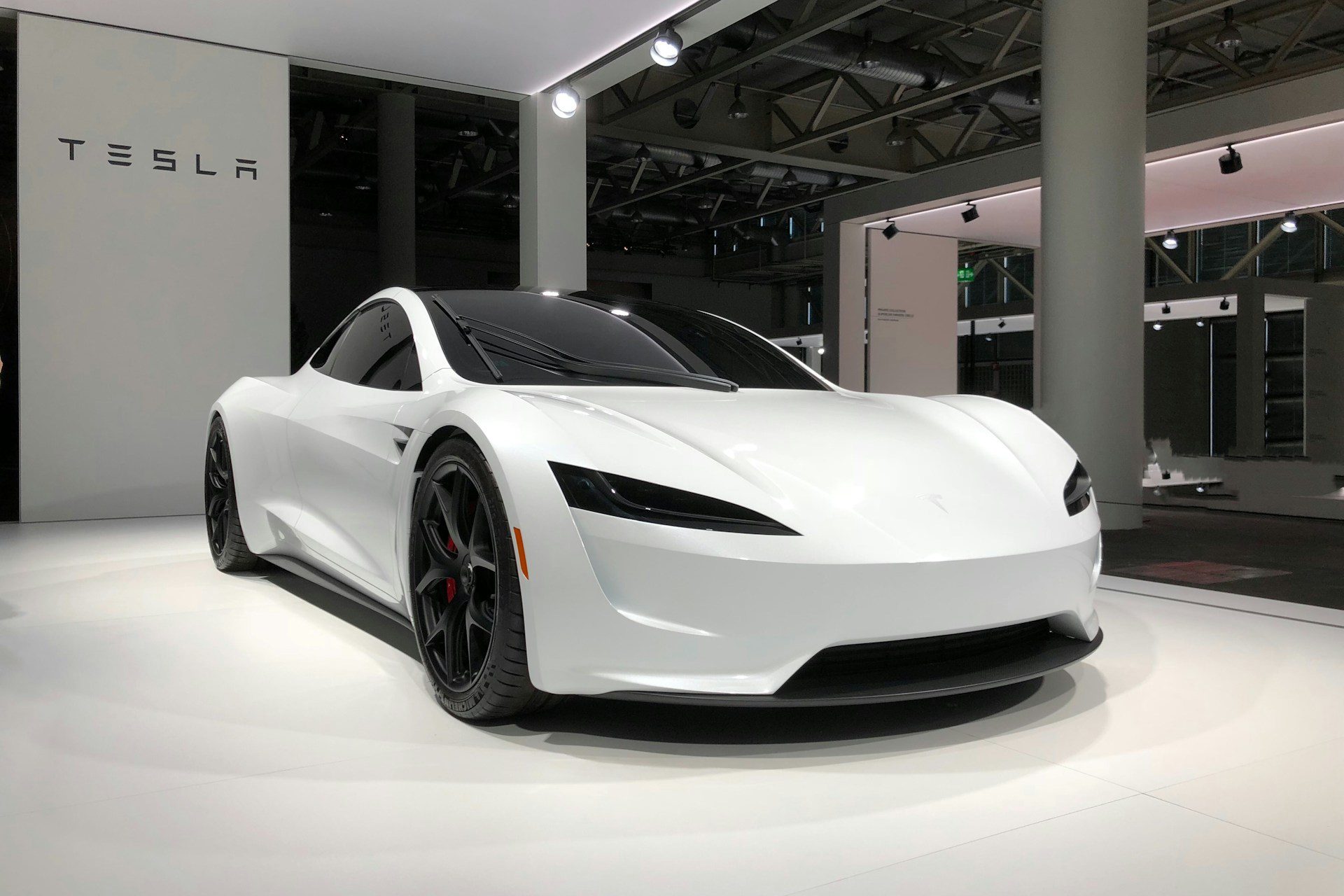
Bank of America’s initiation of Tesla with a Buy rating reframes the stock as a long-term growth investment, with emphasis on its expanding exposure to high-margin technology segments rather than its traditional automotive base. The call signals rising institutional confidence in Tesla’s ability to deliver outsized returns through innovation-led earnings streams.
The bank assigned a $460 price target, implying meaningful upside, and anchored its thesis on Tesla’s leadership in autonomous driving. Analysts positioned the company within the emerging “consumer autonomy” market, arguing that future valuation will be increasingly tied to software and platform economics rather than vehicle unit sales. This approach aligns Tesla more closely with technology equities, where scalability and recurring revenue drive premium multiples.
A key component of the investment case is Tesla’s robotaxi strategy, which Bank of America estimates could account for a significant share of long-term valuation. By transitioning towards a network-based mobility model, Tesla could unlock recurring, high-margin revenues, improving operating leverage and reducing cyclicality tied to car demand. Early deployments in select US cities suggest the company is progressing towards commercial viability, although execution remains critical.
Beyond autonomy, Tesla’s broader portfolio strengthens its growth profile. Its artificial intelligence capabilities, including Full Self-Driving software, are seen as monetisable assets with potential for subscription-based revenue. Meanwhile, investments in robotics and energy storage offer optionality, providing exposure to additional multi-billion-dollar markets that could diversify income streams over time.
Despite the bullish outlook, valuation remains a central risk. Tesla trades at elevated multiples relative to both automotive and technology peers, leaving limited margin for error if growth expectations are not met. Competitive pressures, regulatory uncertainty around autonomous systems, and uneven global demand could also weigh on near-term performance.
Overall, Bank of America’s stance positions Tesla as a high-beta, innovation-driven equity with significant upside potential, contingent on successful execution of its autonomy and technology roadmap. For investors, the stock represents a strategic bet on future mobility and AI-driven revenue models rather than conventional automotive growth.