
Bitcoin, Ethereum Fall as Inflation Shocks Markets
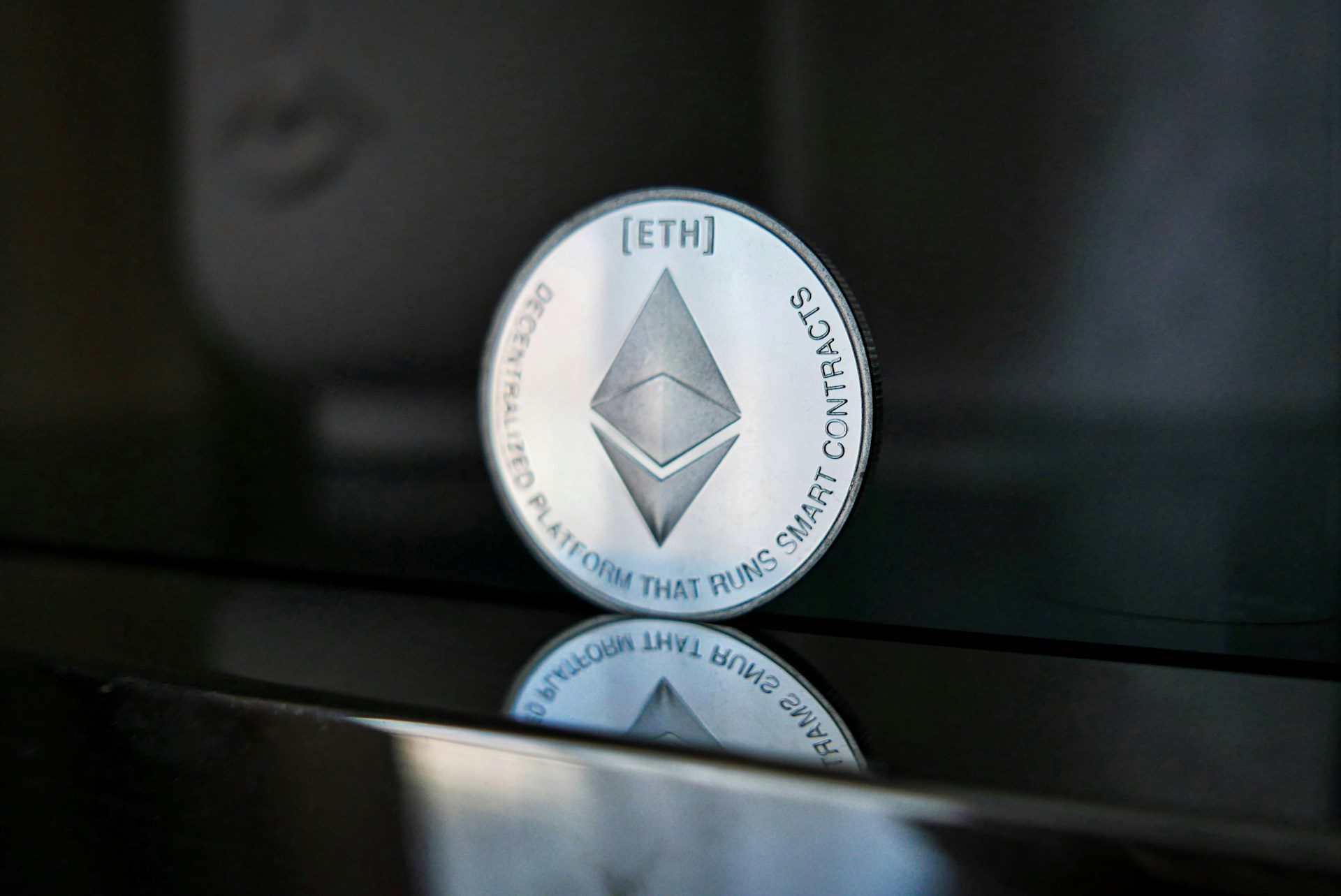
Bitcoin and Ethereum declined after an unexpected rise in inflation unsettled financial markets, reinforcing investor sensitivity to macroeconomic conditions and monetary policy expectations. The pullback reflects a broader shift in sentiment as higher inflation reduces the likelihood of near-term interest rate cuts, tightening financial conditions across asset classes.
The inflation surprise has led investors to reassess expectations for central bank policy, with markets now pricing in a prolonged period of elevated interest rates. For digital assets, which are often treated as high-risk investments, higher borrowing costs and reduced liquidity tend to weigh on valuations. As a result, capital has rotated away from cryptocurrencies towards safer assets, triggering downward pressure on prices.
From an investment perspective, the decline highlights the increasing correlation between cryptocurrencies and traditional financial markets. Bitcoin and Ethereum are now more closely linked to macroeconomic indicators such as inflation, interest rates and global liquidity conditions. This integration means that digital assets are increasingly influenced by the same drivers that affect equities and other risk-sensitive investments.
Rising energy prices have also contributed to inflation concerns, adding another layer of uncertainty for investors. Persistent inflationary pressure can reduce real returns and increase volatility, prompting portfolio rebalancing away from speculative assets. In this environment, institutional investors in particular tend to adopt a more cautious stance, limiting exposure to assets with higher risk profiles.
The market reaction underscores the importance of macroeconomic signals in shaping crypto investment strategies. Investors are closely monitoring inflation trends and central bank guidance to assess potential shifts in liquidity conditions. Any indication of easing inflation or a pivot towards monetary easing could improve sentiment and support a recovery in digital asset prices.
However, until clearer signals emerge, cryptocurrencies are likely to remain vulnerable to macro-driven volatility. The recent decline demonstrates how inflation dynamics and policy expectations are becoming central to digital asset valuation, reinforcing the view that crypto markets are increasingly embedded within the broader global financial system.
Looking ahead, investor focus will remain on inflation data and interest rate trajectories, as these factors continue to determine risk appetite and capital allocation across both traditional and digital markets.