
Apple’s Foldable iPhone Raises Hardware Stakes
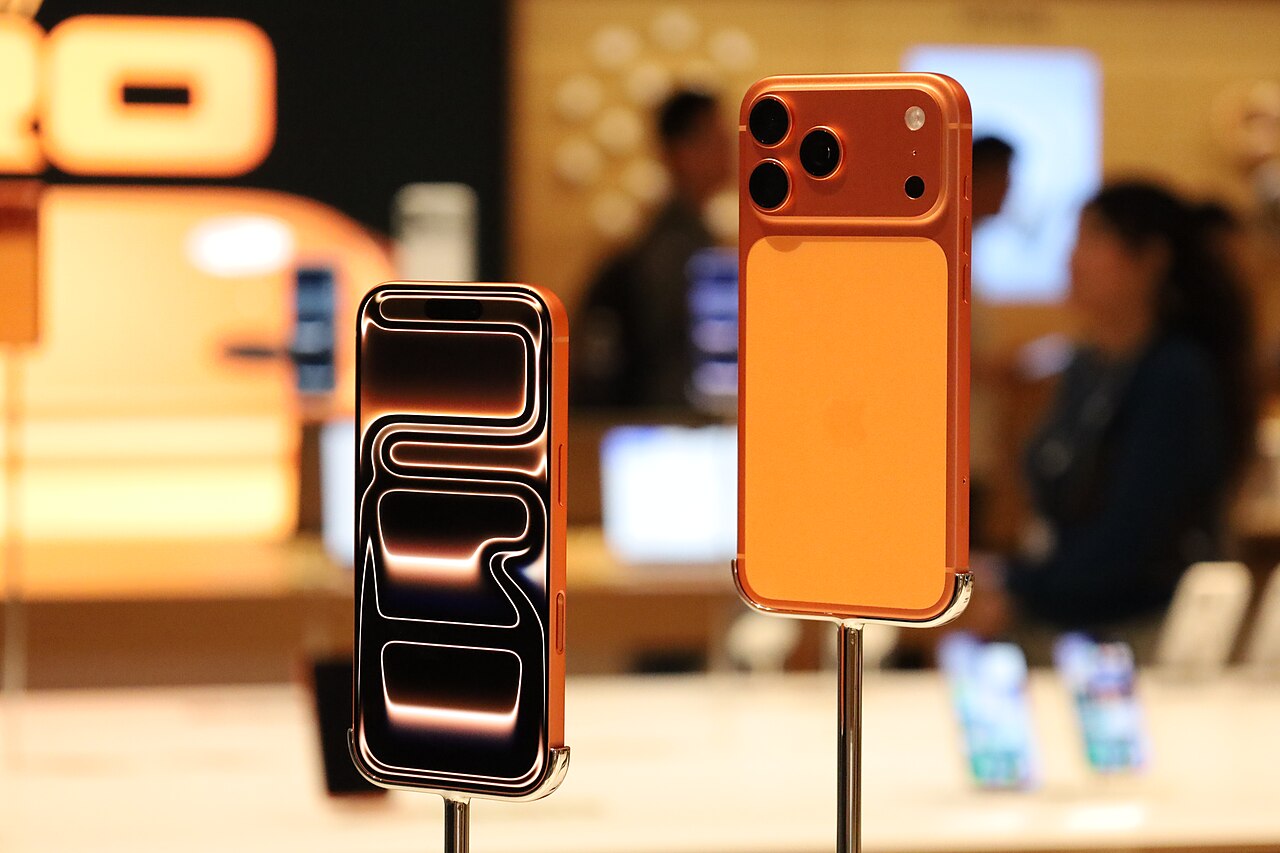
Apple’s expected entry into foldable smartphones is set to give the category its biggest technology test yet. Citi analysts expect the company’s first foldable iPhone to start above $2,000, placing it firmly in the super-premium tier as Apple prepares to challenge a segment already shaped by Samsung, Huawei and other Android manufacturers.
The price reflects more than branding. Foldable phones require flexible OLED displays, complex hinge systems, reinforced structures and tighter manufacturing tolerances than conventional handsets. Early production is reportedly limited by strict quality-control requirements, illustrating the engineering difficulty of delivering a foldable device at Apple’s usual scale.
The timing could reshape a category that remains relatively small but is gaining momentum. Counterpoint Research expects global foldable smartphone shipments to grow 21 per cent in 2026, with Apple projected to capture roughly a quarter of the market during its first year. Book-style models are also becoming more dominant as larger screens suit multitasking and increasingly capable AI assistants.
Apple’s arrival could influence the supply chain as much as consumer demand. Premium foldable displays, advanced 2-nanometre processors, cooling systems and specialised hinge components increase the value of each device, giving suppliers greater exposure to a more complex hardware cycle. Rising memory costs, driven partly by AI infrastructure demand, add further pressure to production economics.
The larger question is whether Apple can solve the weaknesses that have kept foldables from becoming mainstream. Durability, thickness, battery life and software remain central concerns. If those compromises are reduced, the foldable iPhone could push the format beyond its enthusiast niche. At more than $2,000, however, technical refinement will need to be visible enough to justify both the form factor and its new price ceiling.